Altcoins in 2023: Navigating New Compliance Challenges
With altcoin market caps soaring, compliance is more crucial than ever. Discover how recent SEC rulings are shaping the future of crypto projects.
As of October 2023, the total market cap of altcoins has surged to around $650 billion, showcasing an impressive 340% growth year-to-date. Recent rulings by the SEC have ramped up scrutiny on crypto projects, pushing developers to place compliance at the forefront of their efforts.
Regulatory compliance has become a cornerstone of the altcoin landscape, significantly impacting market stability and investor confidence. Ignoring compliance can lead to hefty penalties, including legal actions or even outright bans, which pose serious risks for both developers and investors alike.
In this article, we'll dive into the essentials of regulatory compliance, exploring frameworks, common challenges, and future trends. For stakeholders aiming to navigate the ever-evolving altcoin ecosystem, staying informed is crucial.
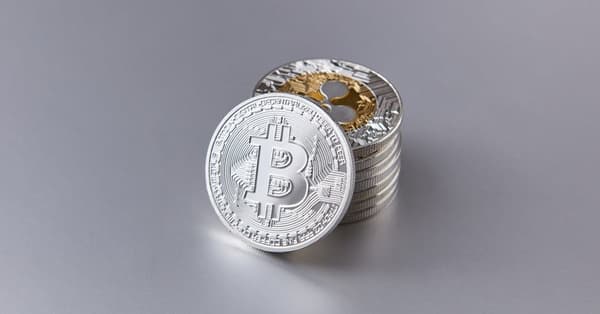
🎯 KEY INSIGHT
In 2023, the SEC launched investigations into over 50 altcoins, signaling a tightening grip on non-compliant projects.
Regulatory compliance is all about companies sticking to the laws, regulations, guidelines, and specifications that govern their business processes. In the crypto world, this means aligning with entities like the SEC, CFTC, and FATF.

The global regulatory environment for altcoins is anything but simple, with different regions taking various approaches. While the U.S. leans toward strict regulations, Europe and Asia are adopting diverse strategies for crypto governance.
The Howey Test helps determine if a transaction counts as an investment contract under U.S. law. Many altcoins, like XRP, have been classified as securities through this lens.
AML and KYC regulations require crypto companies to verify identities and keep tabs on transactions, which can significantly raise operational costs. For small projects, compliance expenses can range from $10,000 to $100,000 annually.
The FATF advocates for a global framework for cryptocurrency regulation. Countries like Japan and Switzerland have adopted these standards, setting a benchmark for others to aspire to.
Tags:
Ready to Make Profitable Crypto Calls?
Check out our proven track record on the leaderboard
View Leaderboard →Related Posts
Why Altcoins Are the Future of Your Crypto Portfolio
Curious about altcoins? Discover why diversifying with these assets could be key to maximizing your gains in today’s crypto market.
Unlocking the Potential of Altcoins: A Community Guide
Explore the booming altcoin market and learn why community engagement is key for investors. Discover top altcoins like Solana and PEPE now!
Navigating the Altcoin Surge: Compliance and Opportunities
The altcoin market is booming, but new regulations are changing the game. Discover what traders need to know to stay compliant and seize opportunities.
Why Altcoins Are Dominating the 2023 Crypto Market
Explore the explosive growth of altcoins in 2023 and discover investment strategies for tapping into this thriving market. Don't miss out!
Unlocking Altcoin Holder Distribution: Smart Strategies Ahead
As altcoins rise, understanding holder distribution is key. Discover insights and strategies to maximize your potential gains in the current market!
Top Altcoins to Watch: Riding the 120% Surge
Discover the latest altcoin trends that are outpacing Bitcoin. Explore which altcoins are capturing investor interest in today's market.