Assessing Altcoin Viability: Strategies for Long-Term Success
Dive into the key factors that determine altcoin viability and learn strategies to navigate the crypto landscape for long-term gains.
As of October 2023, the total cryptocurrency market cap hovers around $1 trillion, with altcoins making up over 40% of that figure. This significant presence highlights the growing interest in altcoins, particularly during market downturns and Bitcoin saturation.
With investors on the hunt for the next big opportunity, it's essential to evaluate which altcoins have the potential for long-term viability. In this article, we’ll delve into the critical factors influencing altcoin longevity, spotlight promising altcoin examples, share strategic investment tips, and highlight common pitfalls to avoid.
Altcoins are essentially any cryptocurrencies that aren’t Bitcoin. They can be classified into various categories, including:
Altcoins complement Bitcoin by offering unique functionalities and solutions within the blockchain landscape. For instance, Ethereum paved the way for smart contracts, enabling a thriving ecosystem of decentralized applications (dApps).
In the past five years, the performance of altcoins has been nothing short of a rollercoaster ride, from breathtaking highs, like Ethereum's staggering 500% increase in 2021, to sharp declines during market corrections.
The technology behind an altcoin and its real-world use case are crucial for its longevity. Projects like Ethereum, with its robust smart contract platform, and Solana, celebrated for its lightning-fast transaction speeds, exemplify innovation that truly resonates with users.
Active development and vibrant community involvement are vital indicators of an altcoin’s health. Metrics like GitHub commits and developer activity can shed light on a project’s growth potential and sustainability.
As regulations evolve, their impact on various altcoins can be profound. Understanding the current regulatory environment helps investors gauge potential risks and opportunities associated with altcoin investments.
🎯 KEY INSIGHT
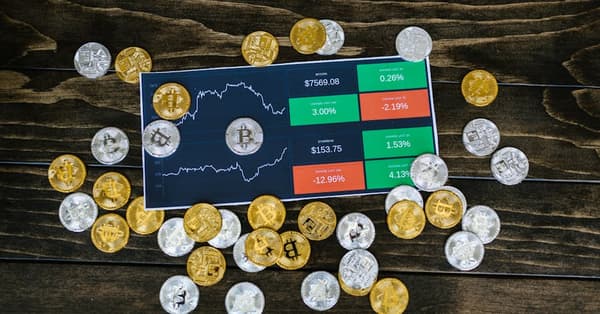
Regulatory clarity can significantly influence altcoin prices; for instance, after SEC rulings in Q2 2023, select altcoins saw surges of over 40%.
Diversifying your altcoin portfolio is a smart way to mitigate risk. Instead of putting all your eggs in one basket, consider spreading your investments across different altcoins. This approach helps cushion against volatility while increasing your chances of hitting on a long-term winner.
Always do your homework! Analyze project whitepapers, roadmaps, and community discussions. Keep an eye on [link: market trends] and emerging technologies that could impact altcoin viability. The more informed you are, the better your investment decisions will be.
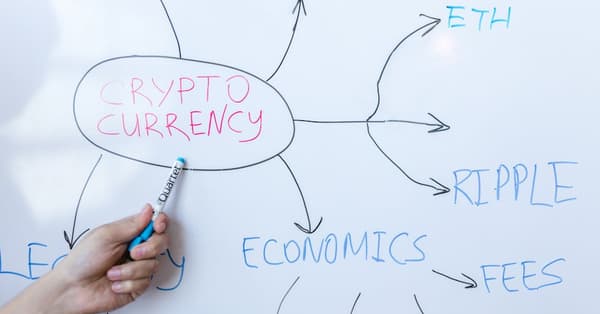
The crypto landscape is ever-changing. Staying updated with the latest news and trends will help you adapt your strategy as needed. Join community forums, follow thought leaders on social media, and don't hesitate to pivot your approach based on new information.
In summary, evaluating the long-term viability of altcoins involves a combination of understanding their technology, community engagement, and the regulatory environment. By following sound investment strategies and staying informed, you can navigate the exciting world of altcoins with confidence. Happy investing!
Tags:
Ready to Make Profitable Crypto Calls?
Check out our proven track record on the leaderboard
View Leaderboard →Related Posts
Why Altcoins Are the Future of Your Crypto Portfolio
Curious about altcoins? Discover why diversifying with these assets could be key to maximizing your gains in today’s crypto market.
Unlocking the Potential of Altcoins: A Community Guide
Explore the booming altcoin market and learn why community engagement is key for investors. Discover top altcoins like Solana and PEPE now!
Navigating the Altcoin Surge: Compliance and Opportunities
The altcoin market is booming, but new regulations are changing the game. Discover what traders need to know to stay compliant and seize opportunities.
Why Altcoins Are Dominating the 2023 Crypto Market
Explore the explosive growth of altcoins in 2023 and discover investment strategies for tapping into this thriving market. Don't miss out!
Unlocking Altcoin Holder Distribution: Smart Strategies Ahead
As altcoins rise, understanding holder distribution is key. Discover insights and strategies to maximize your potential gains in the current market!
Top Altcoins to Watch: Riding the 120% Surge
Discover the latest altcoin trends that are outpacing Bitcoin. Explore which altcoins are capturing investor interest in today's market.