Decoding Altcoin Holder Distribution: What You Need to Know
Curious about altcoin distribution? Discover key insights and strategies to navigate the evolving crypto landscape like a pro trader.
🎯 KEY INSIGHT
In the last quarter alone, altcoins have claimed 40% of the total cryptocurrency market cap, highlighting their incredible growth potential.
Altcoins have gained tremendous traction lately, with market statistics showing impressive growth throughout 2023. Understanding altcoin holder distribution is key, as it plays a crucial role in market volatility, liquidity, and investment strategies.
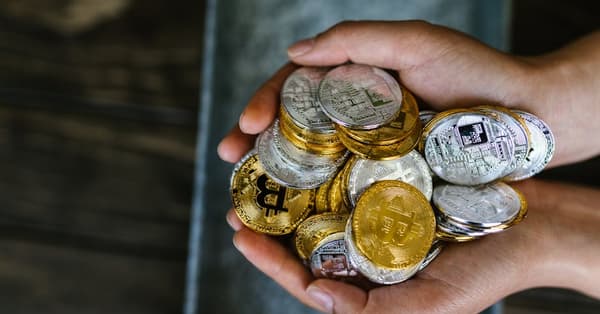
Recent events—like major altcoin rallies and network upgrades—have shifted the dynamics of holder distribution. In this article, we’ll delve into the structure of holder distribution, the factors that influence it, and some strategies for savvy investors.
In the crypto world, holder distribution refers to how altcoins are spread across different wallets. Analyzing this distribution can be a game-changer for making informed investment decisions.
There are two main types of holders: retail and institutional. Retail investors are usually individuals diving into the altcoin market, while institutional holders are companies and investment funds. Plus, we can't forget about whale wallets—those addresses holding massive amounts of a coin—which can dramatically sway market dynamics.
Some important metrics include the Gini coefficient, which assesses the equality of distribution, and wallet concentration. These metrics can hint at potential volatility, influencing how the market behaves.
As of September 2023, there have been some eye-catching shifts in holder distribution among top altcoins like SOL and PEPE. For example, a whopping 70% of SOL is held by just 10 wallets, suggesting a highly concentrated distribution.
Looking back at last year’s data reveals some significant trends. Big events, such as exchanges listing new coins, have reshaped distribution patterns, making certain altcoins more accessible to a wider audience.
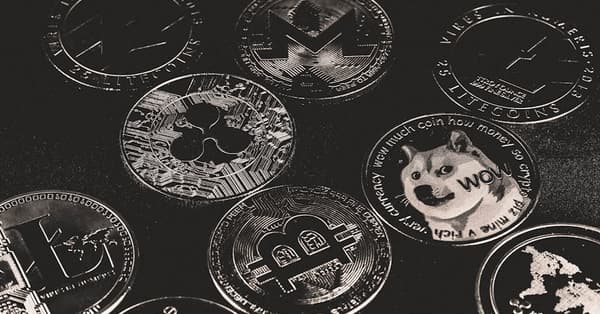
When you stack altcoin holder distribution against that of Bitcoin and Ethereum, it's clear that altcoins often exhibit higher wallet concentration, which tends to lead to greater price volatility. It’s a wild ride!
Market trends play a huge role in shaping holder distribution. When bullish sentiments are in the air, new investors flock to the scene, while bearish trends may lead to a more cautious approach. Keeping an eye on market sentiment can help you anticipate shifts in distribution.
Tags:
Ready to Make Profitable Crypto Calls?
Check out our proven track record on the leaderboard
View Leaderboard →Related Posts
Why Altcoins Are the Future of Your Crypto Portfolio
Curious about altcoins? Discover why diversifying with these assets could be key to maximizing your gains in today’s crypto market.
Unlocking the Potential of Altcoins: A Community Guide
Explore the booming altcoin market and learn why community engagement is key for investors. Discover top altcoins like Solana and PEPE now!
Navigating the Altcoin Surge: Compliance and Opportunities
The altcoin market is booming, but new regulations are changing the game. Discover what traders need to know to stay compliant and seize opportunities.
Why Altcoins Are Dominating the 2023 Crypto Market
Explore the explosive growth of altcoins in 2023 and discover investment strategies for tapping into this thriving market. Don't miss out!
Unlocking Altcoin Holder Distribution: Smart Strategies Ahead
As altcoins rise, understanding holder distribution is key. Discover insights and strategies to maximize your potential gains in the current market!
Top Altcoins to Watch: Riding the 120% Surge
Discover the latest altcoin trends that are outpacing Bitcoin. Explore which altcoins are capturing investor interest in today's market.