Decoding Altcoin Inflation: Smart Strategies for Investors
Dive into the world of altcoin inflation mechanisms and discover smart strategies to enhance your investment game amid the market's recent rallies.
As of Q3 2023, the altcoin market capitalization has skyrocketed to an impressive $300 billion. This surge has drawn increased attention from investors eager to grasp how inflation mechanisms influence market dynamics and sentiment.
With the recent market rallies, understanding inflation in altcoins has never been more essential. Figuring out how these mechanisms affect the value of various cryptocurrencies can greatly inform your investment strategies and decision-making.
In this article, you'll dive into the different inflation mechanisms found in altcoins, explore their implications for investors, and discover practical strategies to navigate this ever-evolving landscape.
🎯 KEY INSIGHT
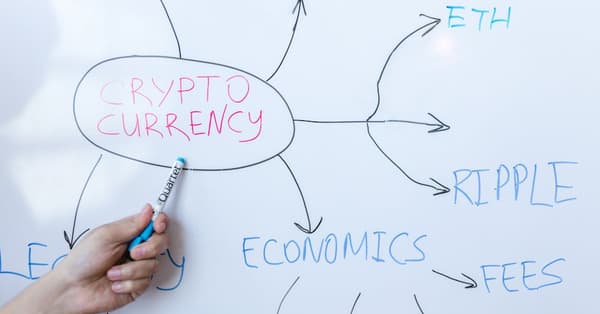
The altcoin market has experienced inflation rates ranging from 5% to over 20%, with Ethereum's recent shift to proof-of-stake reducing its inflation rate to just 0.5%.
When we talk about inflation in altcoins, we're referring to the rate at which new coins are created and brought into circulation. This has a direct impact on the overall supply and, consequently, the price of these cryptocurrencies.
Since Bitcoin's debut in 2009, a variety of inflationary models have emerged as new altcoins adopted different mechanisms. Major events—like forks and market rallies—have played significant roles in shaping altcoin inflation rates over time.
Grasping the concept of inflation is crucial for making informed investment choices, as it directly influences market sentiment. High inflation can lead to devaluation, while controlled rates might boost investor confidence.
Fixed supply coins, such as Bitcoin, have a maximum cap on the total number of coins, keeping inflation in check. On the other hand, inflationary altcoins—like Ethereum post-merge—continuously produce new coins, which can affect their valuation over time.
Continuous emission mechanisms allow for the steady creation of coins, as seen with Solana. This approach can significantly influence the long-term value proposition of these altcoins.
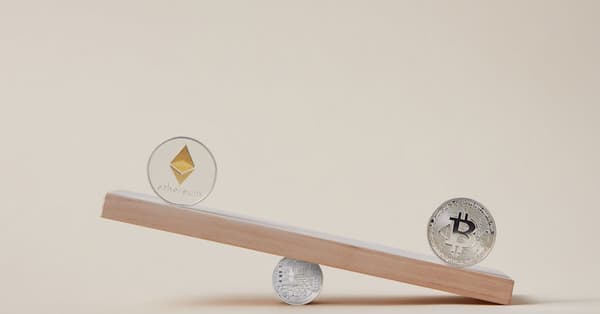
Deflationary coins are designed to decrease in supply over time, often utilizing burning mechanisms to remove tokens from circulation. This can positively impact their valuation for investors.
Ethereum's transition to proof-of-stake has dramatically changed its inflation rate, which is now estimated at just 0.5% annually. This shift has made it a fascinating case study for understanding how inflation mechanisms can reshape an altcoin's value—[link: Ethereum's proof-of-stake impact].
Tags:
Ready to Make Profitable Crypto Calls?
Check out our proven track record on the leaderboard
View Leaderboard →Related Posts
Why Altcoins Are the Future of Your Crypto Portfolio
Curious about altcoins? Discover why diversifying with these assets could be key to maximizing your gains in today’s crypto market.
Unlocking the Potential of Altcoins: A Community Guide
Explore the booming altcoin market and learn why community engagement is key for investors. Discover top altcoins like Solana and PEPE now!
Navigating the Altcoin Surge: Compliance and Opportunities
The altcoin market is booming, but new regulations are changing the game. Discover what traders need to know to stay compliant and seize opportunities.
Why Altcoins Are Dominating the 2023 Crypto Market
Explore the explosive growth of altcoins in 2023 and discover investment strategies for tapping into this thriving market. Don't miss out!
Unlocking Altcoin Holder Distribution: Smart Strategies Ahead
As altcoins rise, understanding holder distribution is key. Discover insights and strategies to maximize your potential gains in the current market!
Top Altcoins to Watch: Riding the 120% Surge
Discover the latest altcoin trends that are outpacing Bitcoin. Explore which altcoins are capturing investor interest in today's market.