Decoding Altcoin Inflation: What Every Investor Should Know
Dive into the world of altcoin inflation mechanisms and discover key insights for navigating the booming altcoin market. Stay ahead in your trading game!
As of October 2023, the altcoin market has experienced a remarkable transformation, boasting over 10,000 altcoins in circulation and a staggering combined market cap of nearly $200 billion. For investors navigating this expansive landscape, understanding inflation mechanisms is essential. With the recent emergence of both inflationary and deflationary models among altcoins, it’s crucial to grasp these concepts to make informed decisions in a volatile market. In this article, we’ll dive into various inflation mechanisms and their implications for asset value and investment strategies.
By the end of this read, you’ll be familiar with the different types of inflation mechanisms, practical examples of altcoins utilizing these strategies, and how to effectively navigate these dynamics for smarter investment choices.
Inflation is the rate at which the general level of prices for goods and services rises, which in turn erodes purchasing power. In the world of cryptocurrency, inflation can manifest through various mechanisms that influence the supply of tokens in circulation.

Unlike fiat currencies, which can be printed at will, cryptocurrencies often have predetermined supply mechanisms. This distinction creates unique inflationary pressures that can significantly affect their respective markets.
🎯 KEY INSIGHT
Over the past year, certain altcoins have faced inflation rates soaring as high as 70%. This underscores the importance for investors to stay vigilant regarding supply changes.
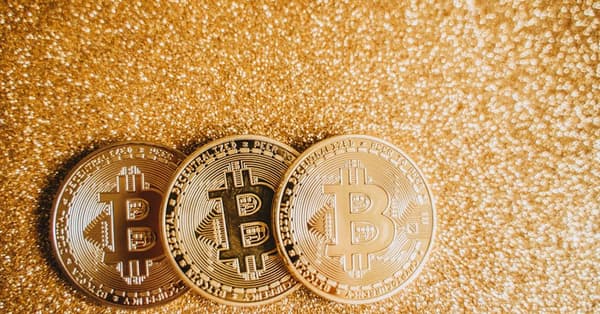
Bitcoin, for instance, has a fixed supply cap of 21 million coins, creating a sense of scarcity. On the other hand, Ethereum’s dynamic supply allows for inflation to support network growth and adaptability.
Consensus algorithms like Proof of Work (PoW) and Proof of Stake (PoS) play a significant role in shaping inflation dynamics. While Bitcoin’s PoW demands costly mining equipment, Cardano’s PoS incentivizes long-term holding, leading to different inflation rates.
💡 PRO TIP: Keep an eye on the consensus mechanisms of altcoins; they directly affect inflation rates and should align with your investment strategy.

Inflationary and deflationary models represent two sides of the same coin in the crypto world. To truly grasp their impact, let’s break down how these models operate and what they mean for your investments.
Tags:
Ready to Make Profitable Crypto Calls?
Check out our proven track record on the leaderboard
View Leaderboard →Related Posts
Why Altcoins Are the Future of Your Crypto Portfolio
Curious about altcoins? Discover why diversifying with these assets could be key to maximizing your gains in today’s crypto market.
Unlocking the Potential of Altcoins: A Community Guide
Explore the booming altcoin market and learn why community engagement is key for investors. Discover top altcoins like Solana and PEPE now!
Navigating the Altcoin Surge: Compliance and Opportunities
The altcoin market is booming, but new regulations are changing the game. Discover what traders need to know to stay compliant and seize opportunities.
Why Altcoins Are Dominating the 2023 Crypto Market
Explore the explosive growth of altcoins in 2023 and discover investment strategies for tapping into this thriving market. Don't miss out!
Unlocking Altcoin Holder Distribution: Smart Strategies Ahead
As altcoins rise, understanding holder distribution is key. Discover insights and strategies to maximize your potential gains in the current market!
Top Altcoins to Watch: Riding the 120% Surge
Discover the latest altcoin trends that are outpacing Bitcoin. Explore which altcoins are capturing investor interest in today's market.