Decoding Bitcoin Whales: A Guide for Meme Coin Traders
Curious about whale movements in Bitcoin? Learn how these transfers impact your meme coin trades and what strategies you can adopt as a trader.
Bitcoin has seen some wild swings lately, with its price hovering around $60,000 in late October 2023. Whale activity has ramped up, with over 1,000 BTC being transferred on average 15 times a day, signaling a shift in market sentiment.
For you as a trader—especially if you’re diving into meme coins like BONK and PEPE—understanding whale movements is crucial. New Whales, often short-term holders, can stir up volatility, while Old Whales, the long-term holders, tend to foster stability.
This article will arm you with actionable insights and strategies to navigate the dynamics of whale activity effectively.
🎯 KEY INSIGHT
In Q3 2023, New Whales represented 25% of total Bitcoin trades, making a significant impact on price movements.
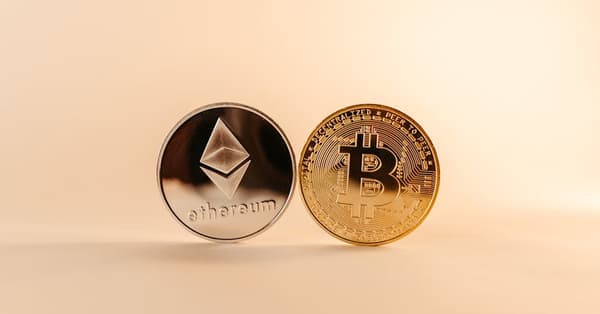
Bitcoin Whales are individuals or entities holding over 1,000 BTC, which makes up about 40% of the total Bitcoin supply. Their substantial holdings give them the power to sway market prices significantly.
The behavior of whales can trigger major market movements. For example, in May 2023, one whale moved 20,000 BTC, leading to a 15% price drop in just a few hours. By understanding these triggers, you can better anticipate market shifts.
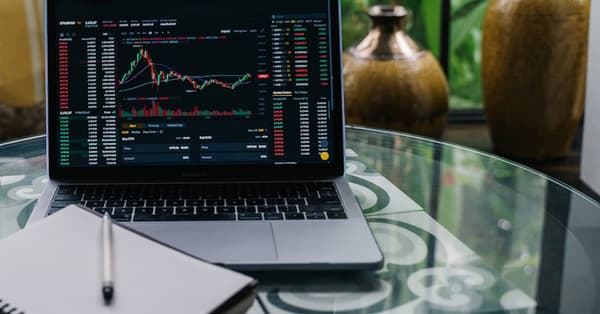
On-chain analysis tools like Glassnode and CryptoQuant offer invaluable insights into whale movements. Key metrics, such as profit/loss realization trends, can help you gauge market dynamics effectively.
In October 2023, New Whales showed a notable uptick in selling, moving 40% of their holdings amid the market's volatility. Meanwhile, Old Whales continued to accumulate, signaling a level of market confidence.
Back in September 2023, a significant spike in selling happened alongside a 340% surge in the price of meme coin WIF, showcasing how whale activities can align with broader market movements.
💡 PRO TIP: Keep an eye on on-chain metrics to predict price movements. Look for patterns in large transactions that might signal upcoming sell-offs.