Exploring Altcoin Governance: The Key to Future Growth
Dive into how altcoin governance systems are influencing market trends and shaping the future of cryptocurrency. Are you keeping up with the changes?
Recent trends in the altcoin markets show a remarkable growth trajectory, with the total market cap reaching over $350 billion by October 2023. This surge has been significantly influenced by altcoins like Solana (SOL), which skyrocketed by 340% in just six months. Other altcoins, such as PEPE, have also experienced notable price fluctuations, underscoring the volatility and excitement inherent in this space.
As market dynamics shift, governance systems in altcoins are evolving to facilitate decentralized decision-making. This evolution is crucial for building investor trust and fostering community engagement. In this article, we’ll explore the various governance models, their implications, and real-world examples that illustrate how these systems are shaping the future of cryptocurrency.
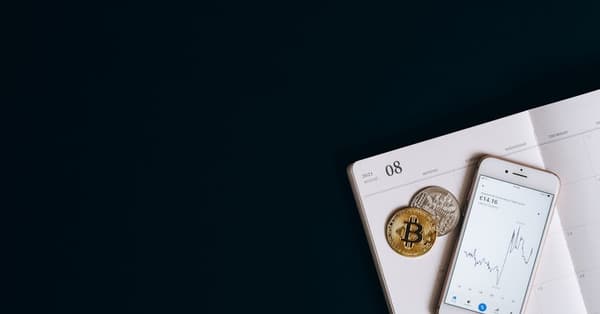
In the crypto ecosystem, governance refers to the frameworks and processes that guide decision-making within decentralized networks. Key principles like transparency, decentralization, and community participation form the backbone of effective governance systems.

Governance systems play a direct role in the stability of altcoins while also promoting community engagement. Unlike traditional finance, where decisions often come from the top down, crypto governance invites community input, making for a much more democratic process.
On-chain governance involves decisions made via smart contracts and blockchain protocols, allowing for transparent and automated voting processes. Take Tezos, for example—it uses on-chain governance to enable seamless upgrades without hard forks, keeping the network flexible and future-ready.
Off-chain governance encompasses discussions and decision-making that happen outside the blockchain, often on forums or social media platforms. Ethereum primarily relies on these off-chain processes; proposals are debated in community forums before a consensus is reached, reflecting the community's collective input.

Hybrid governance combines on-chain and off-chain elements, allowing for flexibility and increased community engagement. A great example is Polkadot, which features a sophisticated governance structure that merges on-chain voting with off-chain discussions, making it a pioneer in this space.
Key Governance Mechanisms to Know
Voting Systems
- Direct Voting: All holders vote on proposals directly, a common practice in systems like Tezos.
- Delegated Voting: Token holders can delegate their voting power, as seen in Compound, which enhances participation and empowers the community.
- Quadratic Voting: This innovative approach allows participants to express the strength of their preferences, leading to more nuanced decision-making.
Tags:
Ready to Make Profitable Crypto Calls?
Check out our proven track record on the leaderboard
View Leaderboard →Related Posts
Why Altcoins Are the Future of Your Crypto Portfolio
Curious about altcoins? Discover why diversifying with these assets could be key to maximizing your gains in today’s crypto market.
Unlocking the Potential of Altcoins: A Community Guide
Explore the booming altcoin market and learn why community engagement is key for investors. Discover top altcoins like Solana and PEPE now!
Navigating the Altcoin Surge: Compliance and Opportunities
The altcoin market is booming, but new regulations are changing the game. Discover what traders need to know to stay compliant and seize opportunities.
Why Altcoins Are Dominating the 2023 Crypto Market
Explore the explosive growth of altcoins in 2023 and discover investment strategies for tapping into this thriving market. Don't miss out!
Unlocking Altcoin Holder Distribution: Smart Strategies Ahead
As altcoins rise, understanding holder distribution is key. Discover insights and strategies to maximize your potential gains in the current market!
Top Altcoins to Watch: Riding the 120% Surge
Discover the latest altcoin trends that are outpacing Bitcoin. Explore which altcoins are capturing investor interest in today's market.