Exploring Altcoin Governance: What You Need to Know
Curious about how altcoins are governed? Discover the rising importance of decentralized governance systems in today’s booming altcoin market.
As the cryptocurrency market continues to evolve, altcoins are grabbing significant attention. In recent months, the altcoin market cap has soared, reaching an impressive $500 billion. This growth has sparked a rising interest in decentralized governance, especially as we navigate shifting regulatory landscapes. Governance in altcoins not only influences the future trajectory of individual coins but also plays a crucial role in shaping investor confidence across the entire market.
In this article, we'll explore the fascinating world of altcoin governance systems, examining various models and mechanisms while highlighting their implications for investors.
In the realm of cryptocurrency, governance refers to the frameworks and processes that dictate how decisions are made within a blockchain network. Effective governance impacts everything from protocol upgrades to community policies, significantly influencing the health and longevity of altcoin ecosystems.
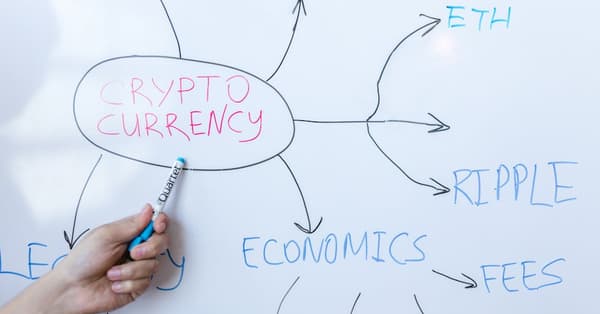
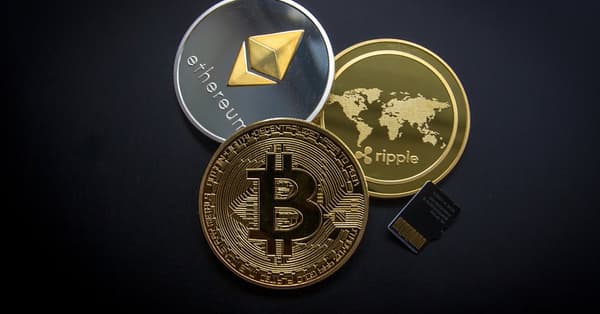
The evolution of governance in the crypto space has been marked by significant milestones. Starting with Bitcoin's rudimentary governance, we've seen the landscape transform with the emergence of more complex altcoins like Ethereum, which pioneered the concept of on-chain governance aimed at fostering community-driven decision-making.
While on-chain models promote transparency, off-chain governance can streamline decision-making processes. Each approach has its own pros and cons, especially regarding community trust and effectiveness.
2.2 Centralized vs. Decentralized Governance
- Centralized Governance: In this model, control is concentrated in the hands of a small group or individuals, as seen in protocols like Ripple. This can raise trust issues within the community.
- Decentralized Governance: Here, power is distributed among a broader group of stakeholders, as exemplified by Ethereum, fostering greater community trust.
3. Exploring Key Governance Mechanisms
3.1 Voting Mechanisms Explained
- Types of Voting: Common methods include one-token-one-vote and quadratic voting, where stakeholders can express their preferences in more nuanced ways...
Tags:
Ready to Make Profitable Crypto Calls?
Check out our proven track record on the leaderboard
View Leaderboard →Related Posts
Why Altcoins Are the Future of Your Crypto Portfolio
Curious about altcoins? Discover why diversifying with these assets could be key to maximizing your gains in today’s crypto market.
Unlocking the Potential of Altcoins: A Community Guide
Explore the booming altcoin market and learn why community engagement is key for investors. Discover top altcoins like Solana and PEPE now!
Navigating the Altcoin Surge: Compliance and Opportunities
The altcoin market is booming, but new regulations are changing the game. Discover what traders need to know to stay compliant and seize opportunities.
Why Altcoins Are Dominating the 2023 Crypto Market
Explore the explosive growth of altcoins in 2023 and discover investment strategies for tapping into this thriving market. Don't miss out!
Unlocking Altcoin Holder Distribution: Smart Strategies Ahead
As altcoins rise, understanding holder distribution is key. Discover insights and strategies to maximize your potential gains in the current market!
Top Altcoins to Watch: Riding the 120% Surge
Discover the latest altcoin trends that are outpacing Bitcoin. Explore which altcoins are capturing investor interest in today's market.