Exploring Altcoin Inflation: Strategies for Traders
Dive into altcoin inflation mechanisms and discover key strategies to navigate the evolving crypto landscape. Don't miss insights every trader should know!
As of October 2023, Bitcoin dominance stands at 45%, creating ample room for altcoins, which now account for over 55% of the total crypto market cap. This shift highlights the growing significance of altcoins in the ever-evolving crypto landscape, especially with the rise of decentralized finance (DeFi) and non-fungible tokens (NFTs).
In this article, we’ll dive into the various inflation mechanisms of altcoins, examining how they impact value and utility. Plus, we’ll share some strategic insights for investing in these digital assets.
In the context of cryptocurrencies, inflation refers to the rate at which new coins are created, influencing the overall supply and, in turn, the asset’s value. Unlike traditional fiat inflation, often shaped by government policies, crypto inflation is typically predetermined by the coin's protocol.
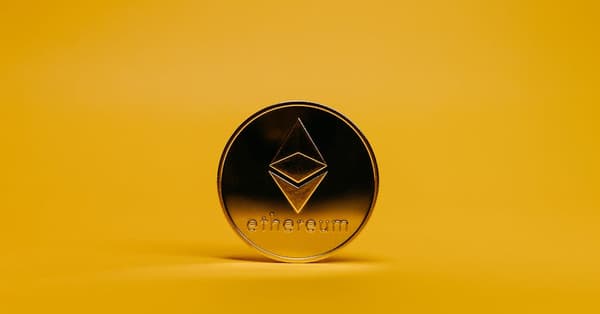
Altcoins exhibit various inflation models, including fixed supply, inflationary, and deflationary frameworks. For instance, Bitcoin maintains a capped supply of 21 million coins, while Ethereum employs inflationary mechanisms. Recognizing these differences is vital for any investor.
The fixed supply model caps the total number of coins that will ever exist, creating a sense of scarcity. Bitcoin and Chainlink are prime examples of this model, both boasting capped supplies. This scarcity can potentially drive up their value over time.
Inflationary coins continuously generate new coins, leading to greater abundance and potentially diminishing value over time. Ethereum, which is transitioning to proof-of-stake, and Dogecoin, known for its unlimited supply, exemplify this inflationary model. [link: Ethereum transition]
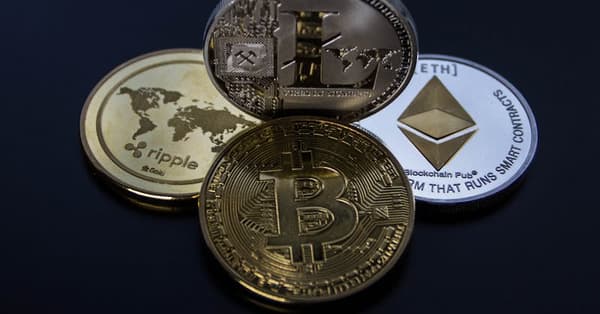
Deflationary models introduce mechanisms that reduce the supply over time, such as token burns. Binance Coin (BNB) and EverGrow employ strategies that aim to maintain or even increase their value through reduced circulation. [link: token burn strategies]
When comparing inflation rates, Solana has a decreasing inflation rate over time, whereas BSC maintains a steady inflation rate. This distinction impacts not just transaction fees but also network scalability, making Solana potentially more attractive for long-term growth. [link: Solana insights]
Over the last five years, altcoins like Ethereum have seen fluctuating inflation rates, reaching a peak of 12% in 2021. This volatility has significantly shaped investor sentiment, as evidenced by market cap shifts during inflationary periods. [link: market cap analysis]
Understanding these altcoin inflation mechanisms is crucial for making informed investment decisions. Whether you’re drawn to the scarcity of fixed supply coins or the potential growth of inflationary assets, knowing how inflation affects value can guide your strategy. So, keep an eye on these factors as you navigate the altcoin market!
Tags:
Ready to Make Profitable Crypto Calls?
Check out our proven track record on the leaderboard
View Leaderboard →Related Posts
Why Altcoins Are the Future of Your Crypto Portfolio
Curious about altcoins? Discover why diversifying with these assets could be key to maximizing your gains in today’s crypto market.
Unlocking the Potential of Altcoins: A Community Guide
Explore the booming altcoin market and learn why community engagement is key for investors. Discover top altcoins like Solana and PEPE now!
Navigating the Altcoin Surge: Compliance and Opportunities
The altcoin market is booming, but new regulations are changing the game. Discover what traders need to know to stay compliant and seize opportunities.
Why Altcoins Are Dominating the 2023 Crypto Market
Explore the explosive growth of altcoins in 2023 and discover investment strategies for tapping into this thriving market. Don't miss out!
Unlocking Altcoin Holder Distribution: Smart Strategies Ahead
As altcoins rise, understanding holder distribution is key. Discover insights and strategies to maximize your potential gains in the current market!
Top Altcoins to Watch: Riding the 120% Surge
Discover the latest altcoin trends that are outpacing Bitcoin. Explore which altcoins are capturing investor interest in today's market.