Exploring Altcoin Inflation: What It Means for Your Portfolio
Curious about how altcoin inflation mechanisms affect your investments? Dive into this essential guide to stay ahead in the crypto market.
As of October 2023, the total market capitalization of altcoins has surged past $400 billion, with projects like Solana (SOL) experiencing a remarkable 340% increase over the past year. With such impressive growth, it's crucial for investors to grasp the inflation rates of popular altcoins like Ethereum and Dogecoin, which currently hover around 3.5% and 5% annually, respectively.
Understanding the inflation mechanisms behind altcoins is more relevant than ever, especially with the ever-growing number of projects and economic influences shaping the cryptocurrency landscape. In this article, we'll unpack various inflation mechanisms, their implications on investments, and provide real-world examples to guide your decisions.

Inflation in cryptocurrency refers to the rate at which new coins are generated and introduced into circulation. Unlike traditional fiat currency, where central banks can print more money at will, crypto inflation is governed by code and consensus protocols.
Inflation directly affects your purchasing power and can significantly influence your investment strategies. Understanding these dynamics helps you make informed decisions about buying, holding, or selling altcoins in your portfolio.

Fixed supply models, like Bitcoin, have a cap on the total number of coins, making them deflationary by nature. On the other hand, inflationary altcoins, such as Ethereum and Solana, allow for the continuous minting of new coins to support network operations and growth.
Tokenomics designs play a crucial role in determining how inflation impacts a coin. Successful models strike a balance through utility and incentivization. For example, platforms like PancakeSwap boast effective tokenomics that help maintain stable inflation rates, benefiting both the platform and its users.
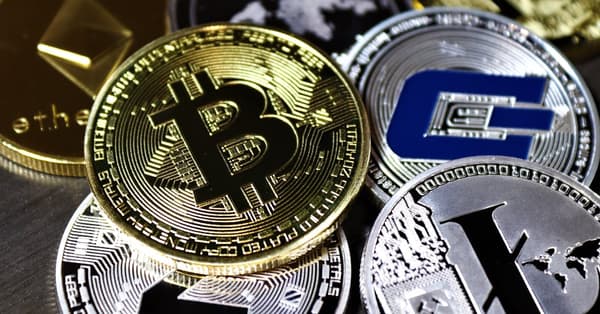
Scheduled emission refers to pre-defined inflation rates, like Bitcoin's halving every four years, while continuous emission allows for ongoing inflation, as seen with Dogecoin's steady issuance of new coins. Each mechanism has its unique implications for investors, influencing market perceptions and strategies.
Tags:
Ready to Make Profitable Crypto Calls?
Check out our proven track record on the leaderboard
View Leaderboard →Related Posts
Why Altcoins Are the Future of Your Crypto Portfolio
Curious about altcoins? Discover why diversifying with these assets could be key to maximizing your gains in today’s crypto market.
Unlocking the Potential of Altcoins: A Community Guide
Explore the booming altcoin market and learn why community engagement is key for investors. Discover top altcoins like Solana and PEPE now!
Navigating the Altcoin Surge: Compliance and Opportunities
The altcoin market is booming, but new regulations are changing the game. Discover what traders need to know to stay compliant and seize opportunities.
Why Altcoins Are Dominating the 2023 Crypto Market
Explore the explosive growth of altcoins in 2023 and discover investment strategies for tapping into this thriving market. Don't miss out!
Unlocking Altcoin Holder Distribution: Smart Strategies Ahead
As altcoins rise, understanding holder distribution is key. Discover insights and strategies to maximize your potential gains in the current market!
Top Altcoins to Watch: Riding the 120% Surge
Discover the latest altcoin trends that are outpacing Bitcoin. Explore which altcoins are capturing investor interest in today's market.