Mastering Altcoin Compliance: Essential Insights for Traders
With thousands of altcoins and growing regulations, stay ahead. Discover what you need to know about altcoin compliance in today's crypto landscape.
Recent data reveals that there are over 8,000 altcoins in existence, boasting a market cap that exceeds $150 billion. As the crypto boom continues, regulatory scrutiny is ramping up, making compliance more critical than ever. With governments around the globe drafting new regulations, the risks and opportunities for altcoin projects are both escalating. For investors, developers, and users alike, understanding these regulations is vital. In this article, we’ll dive into the key regulatory challenges facing altcoins, share compliance strategies, examine case studies, and look ahead at future trends in altcoin regulation.
Regulatory compliance refers to the legal frameworks and guidelines that cryptocurrency projects must adhere to. This is particularly essential for altcoins, as failing to comply can lead to serious consequences, including hefty financial penalties and a loss of user trust.
Several major regulatory authorities play pivotal roles in altcoin governance:
Different regions have developed their own unique regulatory frameworks. For instance, the EU's MiCA (Markets in Crypto-Assets) framework emphasizes transparency, while the U.S. takes a more fragmented approach. Getting familiar with these frameworks is crucial for effective compliance.
It’s vital to determine whether an altcoin is categorized as a security or a commodity. In the U.S., the Howey Test often comes into play for this classification. For example, Bitcoin is widely recognized as a commodity, while Ripple is still under the microscope regarding its classification.
Know Your Customer (KYC) and Anti-Money Laundering (AML) regulations are being enforced more rigorously than ever. Altcoins like WIF and SOL have successfully implemented KYC measures, which not only enhance their compliance profiles but also foster greater user trust.
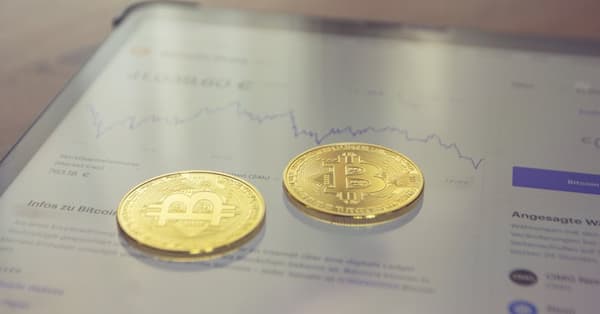
The tax treatment of altcoins varies greatly across jurisdictions. In some countries, altcoin transactions are treated as capital gains, while in others, they might be classified as ordinary income. Understanding your local regulations is key to minimizing tax liabilities and staying compliant.
🎯 KEY INSIGHT
Over 70% of altcoin projects report strong compliance efforts, which can significantly boost their credibility in the market.
As the altcoin landscape continues to evolve, staying informed about regulatory compliance will not only protect your investments but also position you for success in this dynamic space. So, let’s keep our eyes peeled for the latest updates and trends!
Tags:
Ready to Make Profitable Crypto Calls?
Check out our proven track record on the leaderboard
View Leaderboard →Related Posts
Why Altcoins Are the Future of Your Crypto Portfolio
Curious about altcoins? Discover why diversifying with these assets could be key to maximizing your gains in today’s crypto market.
Unlocking the Potential of Altcoins: A Community Guide
Explore the booming altcoin market and learn why community engagement is key for investors. Discover top altcoins like Solana and PEPE now!
Navigating the Altcoin Surge: Compliance and Opportunities
The altcoin market is booming, but new regulations are changing the game. Discover what traders need to know to stay compliant and seize opportunities.
Why Altcoins Are Dominating the 2023 Crypto Market
Explore the explosive growth of altcoins in 2023 and discover investment strategies for tapping into this thriving market. Don't miss out!
Unlocking Altcoin Holder Distribution: Smart Strategies Ahead
As altcoins rise, understanding holder distribution is key. Discover insights and strategies to maximize your potential gains in the current market!
Top Altcoins to Watch: Riding the 120% Surge
Discover the latest altcoin trends that are outpacing Bitcoin. Explore which altcoins are capturing investor interest in today's market.