Mastering Altcoin Compliance: Insights & Strategies
Curious about altcoin regulations? Dive into key insights and strategies to navigate compliance challenges in this rapidly evolving market.
The altcoin market is booming, with total market capitalization surpassing $1 trillion and countless altcoins flooding in. Recent regulatory discussions, particularly in the US and Europe, have sparked important questions about the future of compliance for these digital assets.
Understanding regulatory compliance is crucial for the longevity and legitimacy of altcoins, especially as financial authorities ramp up their scrutiny. In this article, we'll explore the regulatory landscape, dive into compliance strategies, and examine case studies that illustrate what it truly means to be compliant.
By the end of this guide, you’ll have a solid grasp of the vital aspects of altcoin regulatory compliance, the roles of various regulatory bodies, and tips for navigating potential pitfalls whether you're investing or developing altcoins.
Regulatory compliance in the world of cryptocurrency means following laws and guidelines that govern financial transactions. This ensures that altcoins meet the necessary requirements set by relevant authorities to operate legally.
Major regulatory bodies like the SEC (Securities and Exchange Commission) and CFTC (Commodity Futures Trading Commission) are pivotal in shaping the legal framework for altcoins. Their influence not only impacts market practices but also helps to build investor trust.
Compliance isn’t just red tape; it’s essential for risk management and maintaining a positive market reputation. Investors are more likely to engage with projects that prioritize legal adherence, while developers risk facing serious penalties for non-compliance.
Regulatory approaches vary widely across the globe. In the USA, the SEC has taken a strong stance on classifying cryptocurrencies, while the EU is steadily rolling out frameworks like MiCA (Markets in Crypto-Assets). Meanwhile, in Asia, you'll find everything from supportive regulations in Singapore to stringent rules in China.
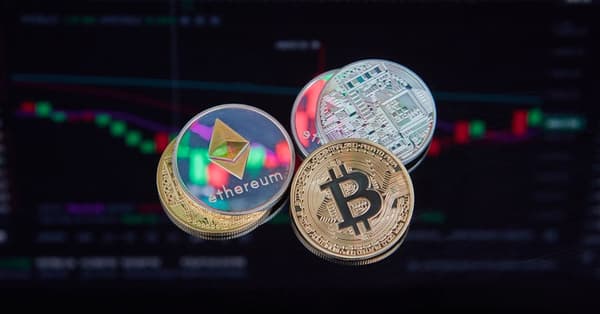
One of the critical pieces of legislation for altcoins is the Howey Test, which helps determine whether a digital asset qualifies as a security. Understanding this test is crucial for anyone looking to navigate the complexities of altcoin regulatory compliance effectively.
Tags:
Ready to Make Profitable Crypto Calls?
Check out our proven track record on the leaderboard
View Leaderboard →Related Posts
Why Altcoins Are the Future of Your Crypto Portfolio
Curious about altcoins? Discover why diversifying with these assets could be key to maximizing your gains in today’s crypto market.
Unlocking the Potential of Altcoins: A Community Guide
Explore the booming altcoin market and learn why community engagement is key for investors. Discover top altcoins like Solana and PEPE now!
Navigating the Altcoin Surge: Compliance and Opportunities
The altcoin market is booming, but new regulations are changing the game. Discover what traders need to know to stay compliant and seize opportunities.
Why Altcoins Are Dominating the 2023 Crypto Market
Explore the explosive growth of altcoins in 2023 and discover investment strategies for tapping into this thriving market. Don't miss out!
Unlocking Altcoin Holder Distribution: Smart Strategies Ahead
As altcoins rise, understanding holder distribution is key. Discover insights and strategies to maximize your potential gains in the current market!
Top Altcoins to Watch: Riding the 120% Surge
Discover the latest altcoin trends that are outpacing Bitcoin. Explore which altcoins are capturing investor interest in today's market.