Mastering Altcoin Risk Management for Smart Traders
Dive into essential strategies for navigating altcoin volatility. Learn how to manage risks and maximize your success in the ever-changing crypto landscape.
As of October 2023, altcoins now represent over 40% of the total crypto market cap, with standout tokens like Solana and PEPE facing considerable volatility. This dramatic shift illustrates the growing interest in altcoins amid fluctuating market conditions and evolving regulatory landscapes. To navigate this exciting yet unpredictable environment, it’s essential to have a solid grasp of risk management strategies that can help you secure successful investments.

In this article, you’ll dive into effective risk assessment techniques, strategies for diversifying your altcoin portfolio, and common pitfalls to steer clear of, empowering you to make informed investment decisions.
🎯 KEY INSIGHT
As we head into Q4 2023, over 30% of altcoins have shown price movements exceeding 200% within just a month, highlighting the volatility and potential for both gains and losses in this dynamic sector.
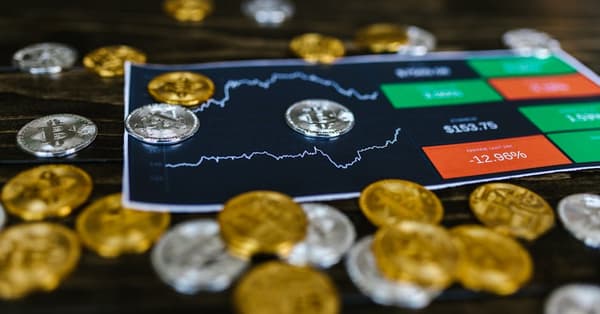
1. Getting to Know Altcoins
1.1 What Are Altcoins, Anyway?
- Definition: Altcoins are any cryptocurrencies besides Bitcoin, encompassing a wide variety of uses and technologies.
- Types: This category includes utility tokens, stablecoins, and meme coins, each serving unique purposes within the crypto ecosystem.
1.2 Why Market Research Matters
- Tools: Tap into platforms like CoinMarketCap and DeFi Pulse for detailed market analysis.
- Market Sentiment: Keep your finger on the pulse of market trends and sentiment indicators to make well-informed decisions.
1.3 Key Metrics You Should Monitor
- Market Cap: This shows the total value of a cryptocurrency in circulation.
- Trading Volume: Reflects how active and liquid the market is.
- Volatility Indicators: Metrics like standard deviation can help you understand the asset's price fluctuations.
2. Navigating Risk in the Altcoin Arena
2.1 Recognizing Different Types of Risks
- Market Risk: The potential for losses due to market fluctuations.
- Liquidity Risk: The chance of facing difficulties in buying or selling assets without impacting their price.
- Regulatory Risk: Changes in regulations that could affect the viability of an altcoin.
- Technical Risks: Issues like smart contract vulnerabilities that could lead to financial loss.
2.2 Evaluating Project Fundamentals
- Team Background: A strong, reputable team can make a significant difference in an altcoin project’s success.
- Use Case: Does the altcoin solve a real-world problem or fulfill a unique need?
- Community Support: A thriving community often indicates a healthy project.