Mastering Altcoin Trading: Your Guide to Key Indicators
Join the altcoin surge! Learn how to leverage technical indicators for successful trading amidst the crypto market's volatility.
The cryptocurrency market is undergoing an exciting transformation, with Bitcoin's recent rally prompting a notable uptick in altcoin prices. This surge in volatility emphasizes the importance for investors to become adept at using technical indicators to navigate the often-chaotic waters of altcoin trading.
Grasping these indicators is essential, especially as altcoins continue to gain mainstream traction and diversify. Investors equipped with solid technical analysis skills can make smarter decisions, helping to maximize returns in this unpredictable market.
In this article, we’ll dive into the key technical indicators for altcoin trading, explore practical applications for these tools, and share strategic insights to empower you in this fast-paced environment.

🎯 KEY INSIGHT
As of October 2023, altcoins are averaging a staggering 120% price volatility over a 30-day span—this represents a substantial opportunity for gains, but also risks of significant losses.
Technical indicators are statistical tools that traders use to analyze price movements and predict future market behavior. In the realm of altcoin trading, these indicators are vital for spotting trends, assessing momentum, and pinpointing potential reversal points.
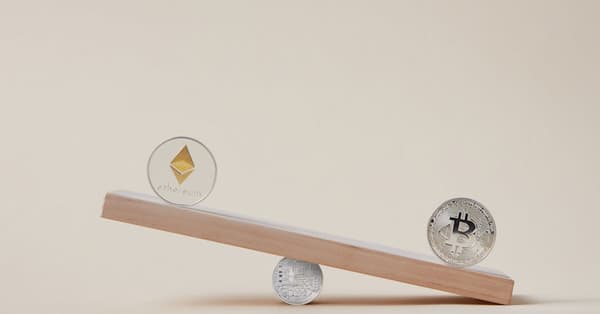
Traders leverage these metrics to craft strategies, anticipate price movements, and determine optimal entry and exit points. By looking at multiple indicators, investors can mitigate risk and make well-informed trading choices.
Moving Averages help smooth out price data, making it easier to identify trends over specific periods. The two most widely used types are the Simple Moving Average (SMA) and the Exponential Moving Average (EMA).
The RSI is a momentum indicator that ranges from 0 to 100, used for spotting overbought or oversold conditions. A reading above 70 usually indicates that an altcoin is overbought, while a reading below 30 suggests it might be oversold.

Bollinger Bands consist of a middle band (SMA) and two outer bands, which represent standard deviations from the middle band. They help traders gauge market volatility.
Understanding these technical indicators is a game changer for anyone looking to navigate the altcoin landscape effectively. So, let’s keep exploring the tools that can help you thrive in this exhilarating market! [link: further resources]
Tags:
Ready to Make Profitable Crypto Calls?
Check out our proven track record on the leaderboard
View Leaderboard →Related Posts
Why Altcoins Are the Future of Your Crypto Portfolio
Curious about altcoins? Discover why diversifying with these assets could be key to maximizing your gains in today’s crypto market.
Unlocking the Potential of Altcoins: A Community Guide
Explore the booming altcoin market and learn why community engagement is key for investors. Discover top altcoins like Solana and PEPE now!
Navigating the Altcoin Surge: Compliance and Opportunities
The altcoin market is booming, but new regulations are changing the game. Discover what traders need to know to stay compliant and seize opportunities.
Why Altcoins Are Dominating the 2023 Crypto Market
Explore the explosive growth of altcoins in 2023 and discover investment strategies for tapping into this thriving market. Don't miss out!
Unlocking Altcoin Holder Distribution: Smart Strategies Ahead
As altcoins rise, understanding holder distribution is key. Discover insights and strategies to maximize your potential gains in the current market!
Top Altcoins to Watch: Riding the 120% Surge
Discover the latest altcoin trends that are outpacing Bitcoin. Explore which altcoins are capturing investor interest in today's market.