Mastering Meme Coins: Your Guide to Trading on Solana & BSC
Dive into the world of meme coins and learn effective strategies for trading on Solana and BSC. Get ready for volatile markets and big opportunities!
Meme coins have taken the crypto world by storm, with their market cap exceeding $15 billion as of October 2023. These coins can be wildly volatile, with some experiencing price spikes of 340% before plummeting just as quickly.
Following a recent advertising ban on Coinbase in the UK, it’s clear that understanding these markets is now more crucial than ever. Regulatory scrutiny is reshaping the landscape, particularly impacting the dynamics of meme coins.
In this article, you’ll discover effective strategies to navigate the meme coin market on Solana and BSC, including essential trading tactics and risk management techniques tailored for you.
Meme Coins: These cryptocurrencies are often born from jokes or memes, typically lacking the intrinsic value found in traditional crypto assets. Think Dogecoin and Shiba Inu.
Meme coins really hit the mainstream after Dogecoin’s incredible success in 2021, which sparked a wave of similar projects eager to capture some of that magic.
Volatility and Speculation: The erratic price movements of meme coins can be jaw-dropping; for example, Shiba Inu saw an astonishing 48% rise within just 24 hours in December 2021—proof of the power of speculation.
Community Influence: Social media is the heartbeat of this scene. Communities on platforms like Reddit and Twitter often set the trends, making community sentiment a crucial factor for meme coin success.
Key Differences: If speed’s your thing, Solana shines with transaction times averaging around 400 milliseconds. On the flip side, BSC offers lower fees, typically around $0.10 per transaction—an attractive option for many.
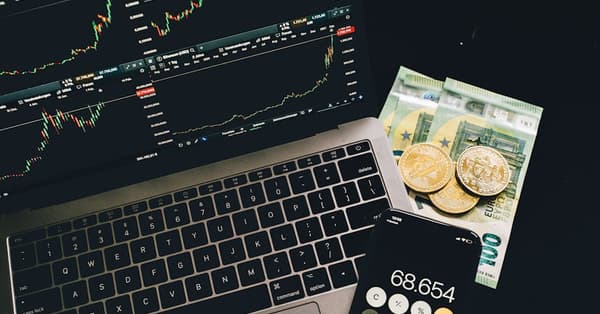
Popular Meme Coins: On Solana, BONK is making waves, while on BSC, PEPE and WIF are trending, backed by strong community support.
Centralized vs. Decentralized Exchanges: Centralized exchanges, like Binance, give you higher liquidity but often at the cost of privacy. On the other hand, decentralized exchanges can offer more control over your assets, but might come with trade-offs in terms of liquidity.