Mastering Taxes on Meme Coins: A Trader's Guide
Wondering how to handle capital gains on meme coins like DOGE? Dive into essential tax strategies every crypto trader needs to know.
As the crypto market continues to evolve, meme coins like DOGE and SHIB have gained unprecedented popularity and market capitalization. Recent statistics indicate that the combined market cap of the top meme coins has surged to over $20 billion, raising important questions about the implications of capital gains taxes on these assets.
This article will dive into the complexities of capital gains taxes for both Bitcoin and meme coin traders, especially those using platforms like Solana and BSC. We'll explore actionable trading strategies, common pitfalls, and tax optimization techniques that can help you enhance your profitability in the meme coin space.
Capital gains tax is a tax on the profit made from selling an asset. In the crypto world, this applies to the difference between the purchase price and the selling price of cryptocurrencies, which can often lead to confusion among traders.

Every trader, whether you're dealing in major cryptocurrencies like Bitcoin or diving into niche meme coins, must understand your filing obligations. Not reporting gains can lead to penalties from tax authorities, so staying compliant is crucial.
🎯 KEY INSIGHT
In 2022, over 60% of crypto traders in the U.S. failed to report their capital gains, risking fines and back taxes.
Meme coins, while often seen as speculative, can generate substantial capital gains. Understanding how these gains are taxed is critical for traders. Gains from sales of meme coins like PEPE or WIF are taxed the same way as any other cryptocurrency.
Many traders mistakenly believe that meme coins aren't subject to capital gains tax. This misconception can lead to significant repercussions, including hefty fines or even the loss of assets seized by tax authorities.
Utilizing different holding periods can drastically affect your tax obligations. Grasping the difference between short-term vs. long-term capital gains is crucial, as long-term holdings (over one year) typically enjoy lower tax rates.
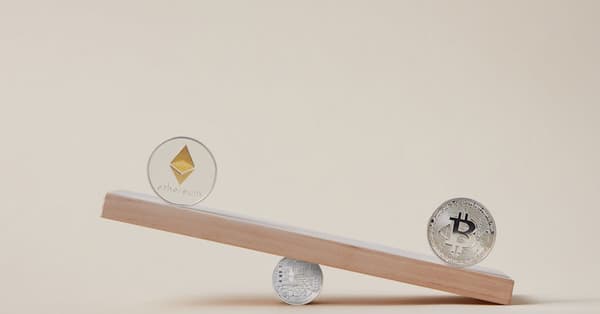
This strategy involves selling underperforming assets to offset gains from successful trades, potentially reducing your overall tax burden. For instance, if you bought BONK at a high price and sold it at a loss, that loss could help offset gains from your winning meme coin trades.
Remember, you are a professional crypto trader navigating a complex landscape. Staying informed about these strategies can make a significant difference in your trading journey.
Tags:
Ready to Make Profitable Crypto Calls?
Check out our proven track record on the leaderboard
View Leaderboard →Related Posts
What the 3.8 Million BTC Lawsuit Means for Traders
A legal battle over dormant Bitcoin could shake the market. Discover what this means for you as a trader and the potential implications ahead.
Crypto Downturn: Understanding Meme Coins in a Dipping Market
The crypto market is turbulent. Join us as we analyze current trends and the role of meme coins amidst recent downturns. Let’s navigate this together!
Meme Coins Reignite: Your Guide to 2023's Hottest Tokens
Curious about the meme coin resurgence? Discover the latest tokens and trading strategies that are capturing the crypto community's attention this year.
Bitcoin's Weekend Surge: Meme Coins and 24/7 Trading Insights
Curious about the latest crypto trends? Discover how Bitcoin and meme coins are reshaping trading habits and what 24/7 trading means for you.
Mastering Meme Coins: Smart Trading on Solana & BSC
Looking to profit from meme coins? Discover effective trading strategies on Solana and BSC that can help you navigate this dynamic market.
Bitcoin ETF Outflow: What It Means for Meme Coins
BlackRock's massive Bitcoin ETF outflow has traders on edge. Discover the implications for Bitcoin and emerging meme coins in this must-read analysis.