Meme Coins and Japan's New Crypto Tax: What You Need to Know
Japan's new 20% tax on crypto transactions could shake up trading strategies across Asia. Discover how it affects meme coins and retail traders.
The cryptocurrency market has experienced explosive growth, with meme coins becoming a favorite among retail traders. This vibrant landscape is characterized by speculation and community-driven momentum, leading to some significant price swings.
Recently, Japan announced a new 20% tax on crypto transactions, a move that could reshape trading strategies not just within its borders, but across Asia, particularly affecting neighboring markets like Singapore and Hong Kong. In this article, I aim to equip you with insights into navigating the meme coin landscape using effective trading strategies that take these regulatory changes into account.
🎯 KEY INSIGHT
In the past year, meme coins accounted for over 65% of retail trading volume in the crypto market, showcasing their undeniable appeal.
Meme coins are cryptocurrencies that gain popularity largely due to social media buzz rather than technological advancements. Coins like BONK, WIF, and PEPE have skyrocketed in value, propelled by community engagement rather than fundamental utility.
Social media platforms play a pivotal role in the rise of meme coins. Viral trends can lead to sudden price hikes, as seen with BONK's staggering 340% increase within just 48 hours of its launch—thanks to Twitter buzz and influencer endorsements.
The meme coin market is notoriously volatile, with significant fluctuations in market cap and trading volumes. Currently, coins like PEPE boast a market cap of around $2.5M, with trading volumes swinging dramatically based on market sentiment.
The proposed 20% tax on crypto transactions in Japan means that profits from meme coin trades could face substantial taxation, influencing how traders strategize and potentially reducing market liquidity.
Regions like Singapore and Hong Kong might feel the pressure as traders look for more favorable tax environments. For instance, the lower trading costs in Singapore could entice Japanese traders to reconsider where they conduct their transactions.
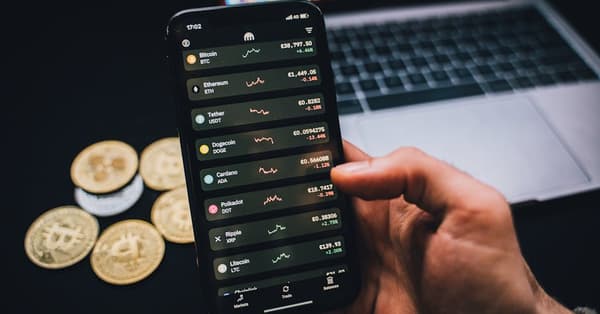
To mitigate risks, you can adopt strategies such as diversifying your portfolio and utilizing exchanges with transparent tax structures. Continuous research is also crucial for adapting to ongoing legal changes.
When evaluating meme coins, consider metrics like market cap, trading volume...
Tags:
Ready to Make Profitable Crypto Calls?
Check out our proven track record on the leaderboard
View Leaderboard →Related Posts
What the 3.8 Million BTC Lawsuit Means for Traders
A legal battle over dormant Bitcoin could shake the market. Discover what this means for you as a trader and the potential implications ahead.
Crypto Downturn: Understanding Meme Coins in a Dipping Market
The crypto market is turbulent. Join us as we analyze current trends and the role of meme coins amidst recent downturns. Let’s navigate this together!
Meme Coins Reignite: Your Guide to 2023's Hottest Tokens
Curious about the meme coin resurgence? Discover the latest tokens and trading strategies that are capturing the crypto community's attention this year.
Bitcoin's Weekend Surge: Meme Coins and 24/7 Trading Insights
Curious about the latest crypto trends? Discover how Bitcoin and meme coins are reshaping trading habits and what 24/7 trading means for you.
Mastering Meme Coins: Smart Trading on Solana & BSC
Looking to profit from meme coins? Discover effective trading strategies on Solana and BSC that can help you navigate this dynamic market.
Bitcoin ETF Outflow: What It Means for Meme Coins
BlackRock's massive Bitcoin ETF outflow has traders on edge. Discover the implications for Bitcoin and emerging meme coins in this must-read analysis.