Meme Coins Surge Amid $1B Bitcoin ETF Outflow
The meme coin market is heating up! Discover why these playful tokens are gaining traction while Bitcoin sees a significant outflow. Join the wave!
The crypto market is buzzing around meme coins right now, enjoying a surge in popularity even as we see a notable $1 billion outflow from Bitcoin ETFs. This outflow hints at a shift in investor behavior, affecting the dynamics across various tokens.
For you as a meme coin trader, understanding these trends is crucial. As risk aversion creeps into the broader crypto market, honing in on platforms like Solana and BSC becomes essential for maximizing your potential gains.

This article will lay out actionable insights and trading strategies specifically designed for meme coins, helping you navigate the shifting landscape with confidence.
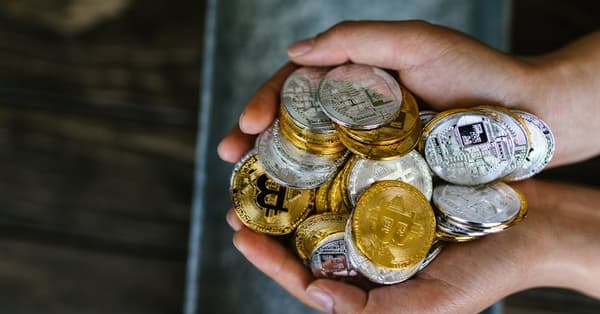
🎯 KEY INSIGHT

Meme coins often thrive in bullish markets, but they also require you to stay on top of your risk management strategies due to their inherent volatility.
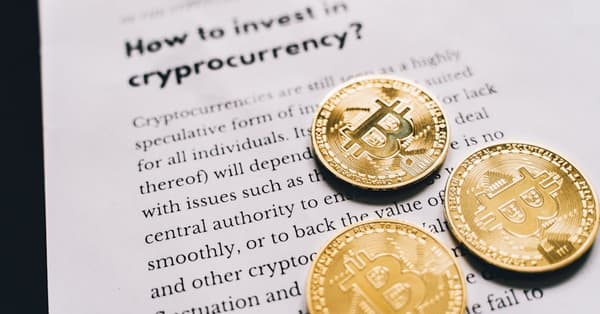
Diving into Market Dynamics
How Bitcoin ETF Flows Impact the Market
- Institutional Behavior: The recent ETF outflows suggest a shift toward risk aversion, prompting investors to explore alternative assets, including meme coins.
- Connection with Meme Coins: Historically, Bitcoin's performance significantly influences meme coins, as their liquidity and investor interest often mirror Bitcoin's trends.
Inflation and Economic Signals
- Current Economic Climate: The ongoing inflationary pressures have piqued interest in speculative assets like meme coins.
- Key Data Points: Current inflation rates sit around 5.4%, with previous surges closely correlating with shifts in crypto trading volumes.
Exploring Meme Coins
What Exactly Are Meme Coins?
- Definition and Characteristics: Meme coins are cryptocurrencies that derive their value largely from community engagement and social media hype rather than from fundamental technology.
- Popular Examples: Notable meme coins include BONK, WIF, and PEPE, each backed by strong community engagement and speculative trading volumes.