Navigating Altcoin Governance: What You Need to Know
Dive into the evolving altcoin market and discover how governance systems are shaping the future of cryptocurrencies like Solana and Dogecoin.
The altcoin market has come a long way, boasting a total market capitalization of over $300 billion as of October 2023. Major players like Solana (SOL), Binance Smart Chain (BSC), and Dogecoin (DOGE) showcase unique governance dynamics shaped by recent regulatory shifts and technological advancements.
Understanding governance systems is becoming essential for altcoins as they influence community involvement, protocol upgrades, and the overall success of projects. For both investors and developers, grasping these systems is crucial.
This article dives into altcoin governance systems, exploring their types, highlighting successful case studies, and discussing practical implications for investing.
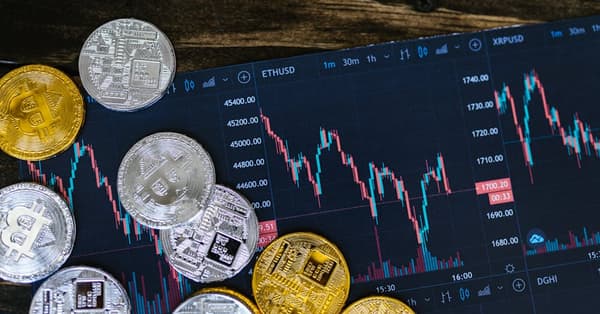
In the altcoin world, governance refers to the frameworks and processes that guide decision-making within the network. Effective governance ensures that all stakeholders—developers, token holders, and the community—can influence the project's direction.
The governance landscape has transformed significantly over the years. Initially, many altcoins operated under centralized authority, but the rise of decentralized models has shifted power toward the community. Key moments, like Bitcoin's 2016 block size debate, highlight this evolution.
On-chain governance takes place directly on the blockchain, enabling automated decision-making through smart contracts. In contrast, off-chain governance relies on external discussions and votes, often conducted via forums. Each model comes with its own set of pros and cons, especially regarding transparency and speed.
Delegative governance allows token holders to delegate their voting power, making it easier for more people to participate. A prime example is Tezos, which has successfully implemented this model, enabling users to delegate their voting rights to trusted representatives.
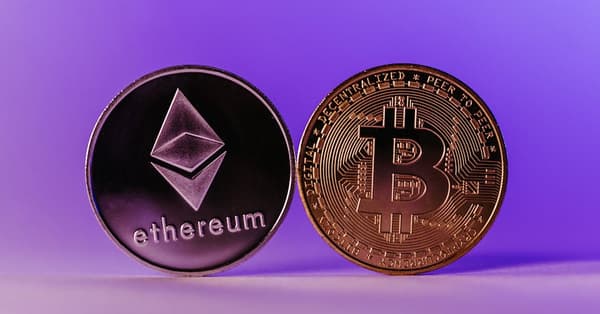
DAOs operate as blockchain-based entities governed by smart contracts. A standout example is MakerDAO, which facilitates lending through governance by its token holders and showcases the potential of decentralized governance.
Ethereum has taken the lead in governance strategies with community-driven proposals like EIP-1559, which revamped transaction fee mechanisms. This evolution underscores the necessity of adaptable governance systems in the ever-changing altcoin landscape.
Tags:
Ready to Make Profitable Crypto Calls?
Check out our proven track record on the leaderboard
View Leaderboard →Related Posts
Why Altcoins Are the Future of Your Crypto Portfolio
Curious about altcoins? Discover why diversifying with these assets could be key to maximizing your gains in today’s crypto market.
Unlocking the Potential of Altcoins: A Community Guide
Explore the booming altcoin market and learn why community engagement is key for investors. Discover top altcoins like Solana and PEPE now!
Navigating the Altcoin Surge: Compliance and Opportunities
The altcoin market is booming, but new regulations are changing the game. Discover what traders need to know to stay compliant and seize opportunities.
Why Altcoins Are Dominating the 2023 Crypto Market
Explore the explosive growth of altcoins in 2023 and discover investment strategies for tapping into this thriving market. Don't miss out!
Unlocking Altcoin Holder Distribution: Smart Strategies Ahead
As altcoins rise, understanding holder distribution is key. Discover insights and strategies to maximize your potential gains in the current market!
Top Altcoins to Watch: Riding the 120% Surge
Discover the latest altcoin trends that are outpacing Bitcoin. Explore which altcoins are capturing investor interest in today's market.