Navigating Altcoin Regulations: What Traders Need to Know
With altcoin market cap hitting $200 billion, discover how new SEC guidelines are reshaping the crypto landscape and impacting your trading strategies.
As of October 2023, the total market capitalization of altcoins has surpassed $200 billion, showcasing a growing interest in this vibrant segment of the cryptocurrency landscape. Recently, the SEC has rolled out new guidelines that significantly impact altcoin regulations, adding pressure on projects to ensure they stay compliant.
With governments around the world ramping up their focus on regulatory frameworks, understanding compliance is becoming essential for altcoin projects. The stakes are high—non-compliance could lead to hefty penalties, making it crucial for new projects to navigate this complex landscape with care.
In this article, we’ll dive into the key aspects of altcoin regulatory compliance, including current laws, practical strategies to stay compliant, and what the future might hold for the regulatory landscape.
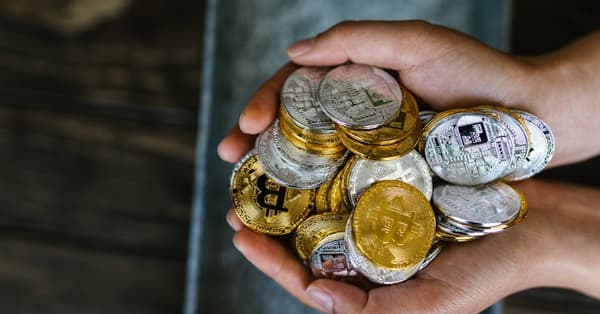
Regulatory compliance is all about sticking to the laws, regulations, and guidelines that govern how a business or project operates. In the crypto world, compliance is vital for maintaining investor trust and ensuring that altcoin projects can stand the test of time.
For altcoins, compliance requirements cover a range of obligations, from securities laws to anti-money laundering protocols. It's a lot to navigate, but it's necessary for building a solid foundation.
Major regulatory bodies like the SEC, CFTC, and FATF play pivotal roles in overseeing altcoin markets. They set and enforce compliance standards that directly influence how projects operate within the cryptocurrency ecosystem.
The SEC plays a critical role in regulating altcoins, particularly through the Howey Test, which helps determine whether certain transactions are considered investment contracts. Take the SEC's case against Ripple, for example—it's a stark reminder of how enforcement works in practice.

Regulatory environments for altcoins can vary wildly from one region to another. Europe, Asia, and the U.S. each have their own unique sets of rules and regulations that can impact how altcoins are managed and traded. [link: international-regulations]
Tags:
Ready to Make Profitable Crypto Calls?
Check out our proven track record on the leaderboard
View Leaderboard →Related Posts
Why Altcoins Are the Future of Your Crypto Portfolio
Curious about altcoins? Discover why diversifying with these assets could be key to maximizing your gains in today’s crypto market.
Unlocking the Potential of Altcoins: A Community Guide
Explore the booming altcoin market and learn why community engagement is key for investors. Discover top altcoins like Solana and PEPE now!
Navigating the Altcoin Surge: Compliance and Opportunities
The altcoin market is booming, but new regulations are changing the game. Discover what traders need to know to stay compliant and seize opportunities.
Why Altcoins Are Dominating the 2023 Crypto Market
Explore the explosive growth of altcoins in 2023 and discover investment strategies for tapping into this thriving market. Don't miss out!
Unlocking Altcoin Holder Distribution: Smart Strategies Ahead
As altcoins rise, understanding holder distribution is key. Discover insights and strategies to maximize your potential gains in the current market!
Top Altcoins to Watch: Riding the 120% Surge
Discover the latest altcoin trends that are outpacing Bitcoin. Explore which altcoins are capturing investor interest in today's market.