Navigating Altcoin Volatility: Inflation Mechanisms Unveiled
Discover how recent trends in altcoins are influenced by inflation. Join the conversation and explore the impact on your trading strategy!
As of October 2023, the altcoin market is riding a wave of significant volatility, with over $15 billion flowing into emerging tokens this quarter alone. This dynamism has sparked renewed conversations about inflation mechanisms within altcoins.
With inflation rates impacting traditional fiat currencies and the broader economic landscape, grasping how inflation operates within altcoins has never been more essential. Investors need to navigate these mechanisms to make informed decisions, especially in today’s unpredictable climate.
In this article, we’ll dive into the various inflation mechanisms used in altcoins, their implications for investors, and the differences between strategies. Plus, we’ll highlight future trends to keep an eye on.
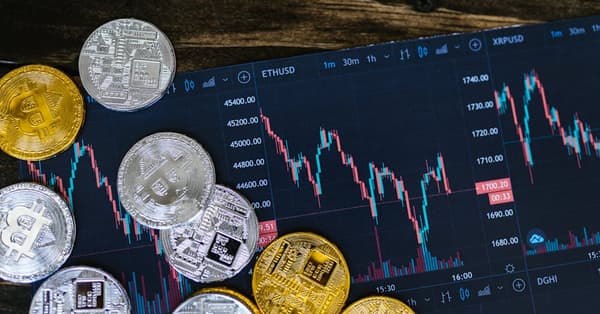
Altcoin inflation refers to the increase in the supply of a cryptocurrency over time, which can significantly affect its overall value and market dynamics. Getting a handle on this concept is crucial for investors looking to gauge potential returns.
The inflation of cryptocurrencies has varied widely. For instance, Bitcoin’s fixed supply sharply contrasts with the inflationary nature of many altcoins. Analyzing these historical trends can shed light on future implications for the market.

Unlike traditional currencies, where inflation can be manipulated by central banks, altcoin inflation is often dictated by programming codes and community consensus. This makes it crucial for investors to fully understand these differences.
While coins like Bitcoin have a capped supply of 21 million, others, such as Ethereum and Solana, feature inflationary models that allow for the continuous minting of new tokens.

The consensus mechanisms that altcoins use also influence their inflation rates. For example, Proof-of-Work tends to create predictable inflation, whereas Proof-of-Stake can lead to variable rates depending on various factors.
Some altcoins employ adaptive supply strategies, adjusting their production based on market conditions. This can help stabilize price fluctuations and provide a buffer against volatility.

Inflation might trigger short-term price surges or drops, but the long-term effects largely hinge on overall demand and the utility of the tokens involved.
Bitcoin’s capped supply creates a stark contrast with Ethereum’s ongoing inflation, influencing investor strategies and market sentiment in fundamentally different ways.
Tags:
Ready to Make Profitable Crypto Calls?
Check out our proven track record on the leaderboard
View Leaderboard →Related Posts
Why Altcoins Are the Future of Your Crypto Portfolio
Curious about altcoins? Discover why diversifying with these assets could be key to maximizing your gains in today’s crypto market.
Unlocking the Potential of Altcoins: A Community Guide
Explore the booming altcoin market and learn why community engagement is key for investors. Discover top altcoins like Solana and PEPE now!
Navigating the Altcoin Surge: Compliance and Opportunities
The altcoin market is booming, but new regulations are changing the game. Discover what traders need to know to stay compliant and seize opportunities.
Why Altcoins Are Dominating the 2023 Crypto Market
Explore the explosive growth of altcoins in 2023 and discover investment strategies for tapping into this thriving market. Don't miss out!
Unlocking Altcoin Holder Distribution: Smart Strategies Ahead
As altcoins rise, understanding holder distribution is key. Discover insights and strategies to maximize your potential gains in the current market!
Top Altcoins to Watch: Riding the 120% Surge
Discover the latest altcoin trends that are outpacing Bitcoin. Explore which altcoins are capturing investor interest in today's market.