Navigating Crypto Security: Protecting Your Altcoins in 2023
With over $1.5 billion lost to breaches this year, it's crucial for traders to understand altcoin security measures. Learn how to safeguard your assets!
In 2023, over $1.5 billion in crypto assets have fallen victim to security breaches, underscoring the pressing need for robust security measures in the altcoin space. As the altcoin market continues to thrive, the growth of decentralized finance (DeFi) and innovative tokens intensifies the potential for vulnerabilities. It's more important than ever to understand how security audits can protect your investments.
In this article, we’ll dive into the significance of security audits in the altcoin ecosystem, walk through the audit process, discuss different types of audits, and outline best practices to help you secure your hard-earned investments.
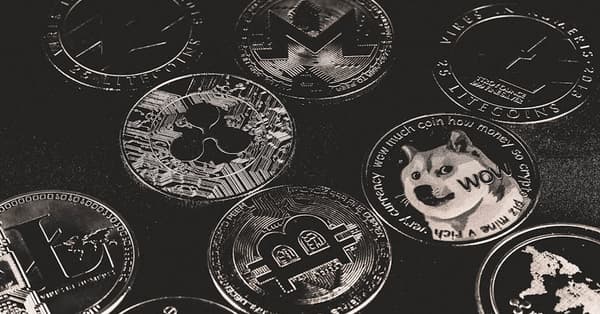
Altcoin security encompasses the protective measures and protocols that are put in place to shield alternative cryptocurrencies from vulnerabilities and attacks. This is essential for maintaining trust in the ever-evolving cryptocurrency ecosystem.
In 2023, around 34% of altcoins experienced breaches, which highlights an urgent need for improved security protocols.
Security audits are vital for fostering investor trust, as they help identify vulnerabilities before they can be exploited. There have been numerous high-profile hacks in the past where the lack of audits resulted in massive financial losses—like the $30 million hack of the DeFi protocol BSCSafe. [link: DeFi security]
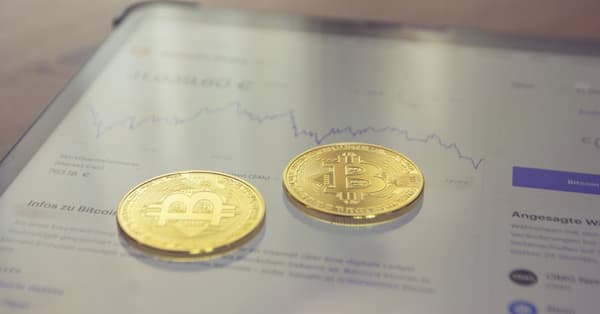
Popular auditing tools like MythX, Slither, and Oyente can be indispensable. While automated tools quickly flag vulnerabilities, manual audits provide deeper insights into code quality and logic. [link: auditing tools]
Key Audit Metrics to Consider
Metrics for Evaluating Audit Quality
- Coverage: The extent to which the audit examines the codebase.
- Findings Severity: The seriousness of any vulnerabilities identified.
- Resolution Time: How quickly issues are addressed post-audit.
Tags:
Ready to Make Profitable Crypto Calls?
Check out our proven track record on the leaderboard
View Leaderboard →Related Posts
Why Altcoins Are the Future of Your Crypto Portfolio
Curious about altcoins? Discover why diversifying with these assets could be key to maximizing your gains in today’s crypto market.
Unlocking the Potential of Altcoins: A Community Guide
Explore the booming altcoin market and learn why community engagement is key for investors. Discover top altcoins like Solana and PEPE now!
Navigating the Altcoin Surge: Compliance and Opportunities
The altcoin market is booming, but new regulations are changing the game. Discover what traders need to know to stay compliant and seize opportunities.
Why Altcoins Are Dominating the 2023 Crypto Market
Explore the explosive growth of altcoins in 2023 and discover investment strategies for tapping into this thriving market. Don't miss out!
Unlocking Altcoin Holder Distribution: Smart Strategies Ahead
As altcoins rise, understanding holder distribution is key. Discover insights and strategies to maximize your potential gains in the current market!
Top Altcoins to Watch: Riding the 120% Surge
Discover the latest altcoin trends that are outpacing Bitcoin. Explore which altcoins are capturing investor interest in today's market.