Navigating Meme Coins Amid US Banking Regulations
Discover how US banking rules are reshaping the meme coin landscape and get strategies to stay ahead in this evolving market.
As the crypto market continues to dance through volatility—especially in the meme coin sector—the recent call from US bankers for a 60-day delay in rolling out the GENIUS Act underscores the ongoing tug-of-war between traditional banking and the rapidly evolving world of stablecoins. With meme coins like Pepe (PEPE) and Bonk (BONK) gaining momentum on platforms like Solana and Binance Smart Chain (BSC), it's more important than ever for you to grasp how these regulatory changes might influence your trading strategies.
This article is set to dive deep into the current market landscape, explore smart trading strategies tailored for meme coins, and arm you with actionable insights to deftly navigate potential regulatory shifts. By the end, you’ll be ready to seize opportunities in this dynamic market like a true professional crypto enthusiast.
Meme coins are cryptocurrencies born from internet memes or popular culture. While they often lack significant utility, they can skyrocket in value, fueled by community enthusiasm and social media buzz.
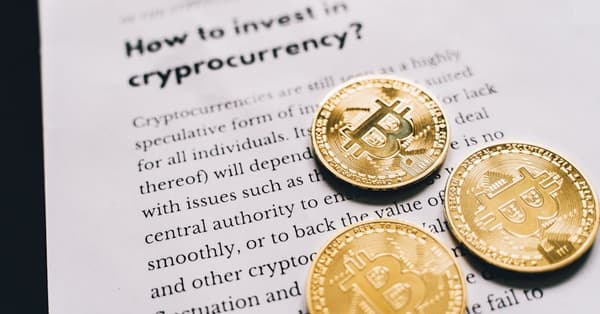
As of October 2023, the meme coin sector has witnessed a remarkable surge, with the combined market cap of the top five meme coins nearing $50 billion. This rapid rise paints a vivid picture of the speculative nature of these assets.
The GENIUS Act is designed to regulate stablecoins, potentially reshaping how they interact with traditional banking systems. This act could have significant implications for the liquidity available for meme coins.
US banking groups, including the American Bankers Association (ABA), contend that the act might step on the toes of areas traditionally dominated by bank deposits, which could stifle innovation in the crypto space.
🎯 KEY INSIGHT
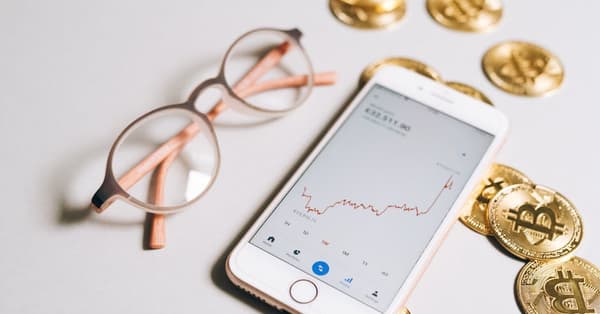
The delay in the rollout of the GENIUS Act could lead to short-term volatility in meme coin markets, creating prime trading opportunities, particularly during speculative spikes.