Navigating the Altcoin Boom: Compliance and Regulation Insights
The altcoin market is thriving, but with growth comes scrutiny. Discover what traders need to know about compliance and regulatory challenges in 2023.
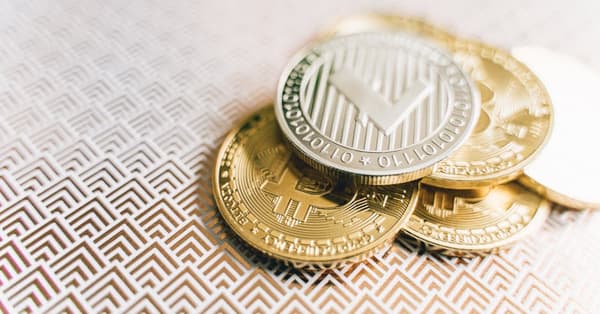
The altcoin market has exploded in recent years, boasting over 20,000 active cryptocurrencies and a total market cap exceeding $1 trillion as of October 2023. This rapid growth has caught the eye of regulators, especially the SEC, which has stepped up its scrutiny by taking action against various altcoins for potential securities violations.
Compliance is more crucial than ever for altcoin projects, given the tightening grip of regulatory guidelines. Ignoring these rules can lead to severe consequences, including hefty fines and delisting from major exchanges—outcomes that can dramatically affect a project's viability.
In this post, we'll dive into the challenges altcoins face in maintaining regulatory compliance, explore strategies for navigating these hurdles, and highlight case studies of successful projects that have made compliance a priority.

Regulatory compliance for altcoins means sticking to the laws and regulations that govern their issuance, trading, and management. It's essential for ensuring the long-term sustainability of cryptocurrencies within the financial ecosystem.
In the U.S., the key regulatory players include:
Understanding frameworks like the Howey Test is crucial for altcoins. In the U.S., this test helps determine whether an asset is classified as a security, while the EU follows the Markets in Crypto-Assets Regulation (MiCA), which aims for a more cohesive approach across member states. [link: regulatory frameworks]
One of the biggest challenges many altcoins face is being classified as securities. Take BONK and PEPE, for example; they've been scrutinized for their investment characteristics. Such classifications can bring on a whole set of additional compliance requirements.
AML and KYC compliance are non-negotiable for any altcoin project. Failing to meet these standards can lead to legal repercussions and reputational damage, as seen in notable cases where platforms faced significant fines for non-compliance. [link: AML KYC]
Tax obligations surrounding altcoin transactions can be a real headache. For instance, Solana holders need to grasp how capital gains tax applies to their trades, or they risk audits and penalties down the line. [link: tax compliance]
Tags:
Ready to Make Profitable Crypto Calls?
Check out our proven track record on the leaderboard
View Leaderboard →Related Posts
Why Altcoins Are the Future of Your Crypto Portfolio
Curious about altcoins? Discover why diversifying with these assets could be key to maximizing your gains in today’s crypto market.
Unlocking the Potential of Altcoins: A Community Guide
Explore the booming altcoin market and learn why community engagement is key for investors. Discover top altcoins like Solana and PEPE now!
Navigating the Altcoin Surge: Compliance and Opportunities
The altcoin market is booming, but new regulations are changing the game. Discover what traders need to know to stay compliant and seize opportunities.
Why Altcoins Are Dominating the 2023 Crypto Market
Explore the explosive growth of altcoins in 2023 and discover investment strategies for tapping into this thriving market. Don't miss out!
Unlocking Altcoin Holder Distribution: Smart Strategies Ahead
As altcoins rise, understanding holder distribution is key. Discover insights and strategies to maximize your potential gains in the current market!
Top Altcoins to Watch: Riding the 120% Surge
Discover the latest altcoin trends that are outpacing Bitcoin. Explore which altcoins are capturing investor interest in today's market.