Navigating the Altcoin Surge: Insights on Inflation Trends
Curious about the latest in the altcoin market? Discover how inflation is shaping major players like Solana and what it means for traders today.
The altcoin market is experiencing some substantial shifts, currently boasting a total market capitalization of around $500 billion as of October 2023. Major players like Solana (SOL) have really gained traction, showcasing an impressive 340% growth over the past year. In this ever-evolving landscape, inflation rates across various altcoins are coming under the microscope, with many investors eager to understand how these mechanisms impact altcoin valuations.
Grasping how inflation works is essential for both investors and developers, especially in today’s volatile market and shifting regulatory environment. In this article, we’ll dive into the different inflation models, their effects on altcoin values, and some actionable strategies to help you navigate these dynamics.

Inflation is basically the rate at which the general level of prices for goods and services rises, which in turn erodes purchasing power. In traditional economies, we often measure this with the Consumer Price Index (CPI). In the crypto sphere, inflation refers to the increase in the supply of coins over time, which can directly affect their value.

A crucial distinction between fiat and crypto inflation is in the control mechanisms—central banks manage fiat currency, while most cryptocurrencies adhere to predetermined protocols. This creates some unique inflation dynamics in the world of digital currencies.
The supply cap of a cryptocurrency plays a significant role in its inflation and long-term value stability. Take Bitcoin, for example—its halving events, which reduce block rewards roughly every four years, demonstrate how controlled supply can influence value.

On the flip side, many altcoins like Ethereum historically haven’t had supply caps, leading to more pronounced inflationary pressures under certain economic conditions. [link: Ethereum supply dynamics]
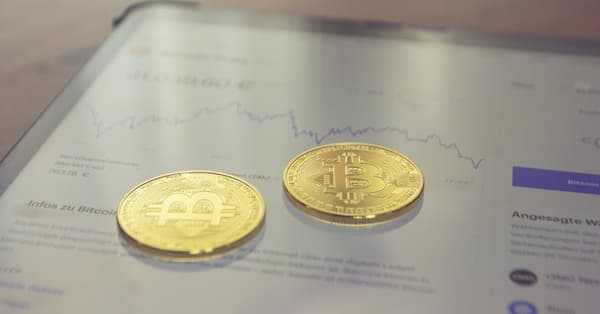
Fixed supply coins, such as Bitcoin, have a capped limit of 21 million coins, ensuring scarcity. In contrast, inflationary models like pre-EIP-1559 Ethereum used continuous issuance, affecting both token supply and transaction costs.
2.2 How Minting and Rewards Work
- Proof of Work: Coins are minted through mining, which requires considerable computational resources (think Bitcoin).
- Proof of Stake: Here, validators are rewarded for holding and staking coins, which can influence supply dynamics.
Tags:
Ready to Make Profitable Crypto Calls?
Check out our proven track record on the leaderboard
View Leaderboard →Related Posts
Why Altcoins Are the Future of Your Crypto Portfolio
Curious about altcoins? Discover why diversifying with these assets could be key to maximizing your gains in today’s crypto market.
Unlocking the Potential of Altcoins: A Community Guide
Explore the booming altcoin market and learn why community engagement is key for investors. Discover top altcoins like Solana and PEPE now!
Navigating the Altcoin Surge: Compliance and Opportunities
The altcoin market is booming, but new regulations are changing the game. Discover what traders need to know to stay compliant and seize opportunities.
Why Altcoins Are Dominating the 2023 Crypto Market
Explore the explosive growth of altcoins in 2023 and discover investment strategies for tapping into this thriving market. Don't miss out!
Unlocking Altcoin Holder Distribution: Smart Strategies Ahead
As altcoins rise, understanding holder distribution is key. Discover insights and strategies to maximize your potential gains in the current market!
Top Altcoins to Watch: Riding the 120% Surge
Discover the latest altcoin trends that are outpacing Bitcoin. Explore which altcoins are capturing investor interest in today's market.