Navigating the Altcoin Surge: Understanding Inflation Dynamics
The altcoin market is booming! Discover how inflation mechanisms are influencing investor behavior and shaping the crypto landscape today.
The altcoin market has seen some dramatic shifts lately, with its market cap soaring past $300 billion in Q4 2023. Recent developments, including increased institutional adoption and new regulatory frameworks, have sparked a surge of interest among investors. If you're navigating this unpredictable landscape, understanding inflation mechanisms is essential.
Inflation can profoundly impact the value of altcoins, influencing everything from investment strategies to overall market dynamics. By getting a handle on these mechanisms, traders can make informed choices that align with their financial goals.
In this article, we’ll dive into the different inflation mechanisms in altcoins, share practical insights that could affect your investment decisions, and provide specific examples featuring popular altcoins.

🎯 KEY INSIGHT
As of December 2023, altcoins now account for over 50% of the total crypto market cap, highlighting their growing significance and the importance of understanding inflation mechanisms.
Inflation, in the simplest terms, refers to the decline in purchasing power of a currency, which in the crypto realm often stems from an increase in supply. Unlike traditional finance, where central banks have the reins on inflation, in cryptocurrency, inflation is typically built into the protocol itself.

In the world of altcoins, inflation rates can vary dramatically. Take Bitcoin, for example—its inflation diminishes through halving events, while other coins might adopt more aggressive minting schedules.
Looking back, fiat currency inflation has been influenced by factors like economic policies and financial crises. Cryptocurrencies emerged partly as a response to these systemic flaws, offering a decentralized and more controlled approach to inflation.
Events like the 2008 financial crisis and the birth of Bitcoin in 2009 have shaped our understanding of how inflation operates within digital currencies.
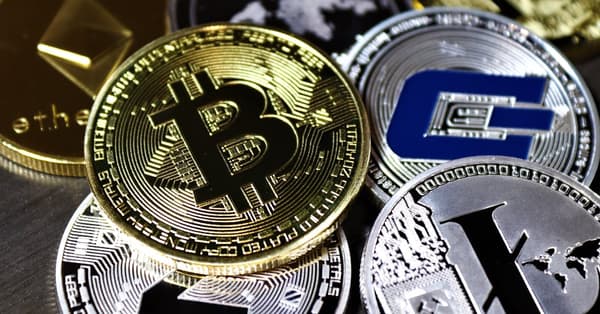
Soft caps and hard caps play a crucial role in determining the total supply of an altcoin. A soft cap allows for some flexibility in supply, while a hard cap establishes a fixed limit.
- Hard Cap Examples: Bitcoin (21 million) and Ethereum (limited by network upgrades).
- Soft Cap Examples: Many newer altcoins adopt this approach to encourage growth and adaptability.
Tags:
Ready to Make Profitable Crypto Calls?
Check out our proven track record on the leaderboard
View Leaderboard →Related Posts
Why Altcoins Are the Future of Your Crypto Portfolio
Curious about altcoins? Discover why diversifying with these assets could be key to maximizing your gains in today’s crypto market.
Unlocking the Potential of Altcoins: A Community Guide
Explore the booming altcoin market and learn why community engagement is key for investors. Discover top altcoins like Solana and PEPE now!
Navigating the Altcoin Surge: Compliance and Opportunities
The altcoin market is booming, but new regulations are changing the game. Discover what traders need to know to stay compliant and seize opportunities.
Why Altcoins Are Dominating the 2023 Crypto Market
Explore the explosive growth of altcoins in 2023 and discover investment strategies for tapping into this thriving market. Don't miss out!
Unlocking Altcoin Holder Distribution: Smart Strategies Ahead
As altcoins rise, understanding holder distribution is key. Discover insights and strategies to maximize your potential gains in the current market!
Top Altcoins to Watch: Riding the 120% Surge
Discover the latest altcoin trends that are outpacing Bitcoin. Explore which altcoins are capturing investor interest in today's market.