Navigating Volatile Altcoin Markets: Key Liquidity Insights
Dive into the latest altcoin market shifts and learn why understanding liquidity is crucial for traders navigating this volatile landscape.
The altcoin market is currently riding a wave of volatility, with total market capitalization fluctuating between $850 billion and $1 trillion as of December 2023. Recent events, such as regulatory shifts in Asia and the listing of new altcoins on major exchanges, have significantly impacted liquidity across the board.
Understanding liquidity is essential, especially in a market known for its unpredictable price movements. Liquidity can be a game-changer for investors, offering insights that drive smarter trading decisions. As the market stands today, grasping these concepts has never been more crucial.
In this article, we'll dive deep into altcoin liquidity, exploring its definitions, key metrics, tools for analysis, and actionable strategies for success.
Liquidity in cryptocurrency refers to how easily an asset can be bought or sold in the market without significantly affecting its price. In traditional markets, liquidity is often gauged by the volume of assets traded over a certain period. However, in the world of crypto, this can vary dramatically.
High liquidity is vital for maintaining price stability and boosting investor confidence. Here are some key liquidity metrics to keep an eye on:

Liquidity can generally be classified into two main types:
🎯 KEY INSIGHT
As of Q4 2023, over 70% of trading activity for top altcoins is concentrated on just 5 exchanges, highlighting significant liquidity disparities.
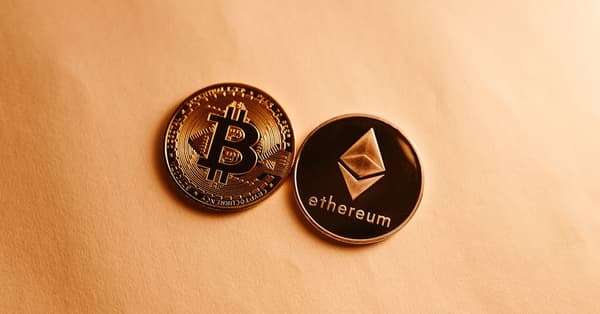
There’s a direct correlation between a cryptocurrency’s market cap and its liquidity. For example, Bitcoin, with a market cap exceeding $500 billion, consistently enjoys high liquidity, while microcap altcoins like WIF, sitting at around $2 million, often struggle to attract meaningful trading volumes.
Being listed on major exchanges can dramatically affect an altcoin's liquidity. New listings often lead to immediate boosts in liquidity, as was the case with SOL's rapid rise after it hit the Binance platform.

The vibrancy of a cryptocurrency's community can greatly influence its liquidity. Active communities tend to drive interest and trading activity, making it essential for altcoin projects to foster engagement.
For more insights on altcoin trends and liquidity analysis, check out our [link: analysis section].
Tags:
Ready to Make Profitable Crypto Calls?
Check out our proven track record on the leaderboard
View Leaderboard →Related Posts
Why Altcoins Are the Future of Your Crypto Portfolio
Curious about altcoins? Discover why diversifying with these assets could be key to maximizing your gains in today’s crypto market.
Unlocking the Potential of Altcoins: A Community Guide
Explore the booming altcoin market and learn why community engagement is key for investors. Discover top altcoins like Solana and PEPE now!
Navigating the Altcoin Surge: Compliance and Opportunities
The altcoin market is booming, but new regulations are changing the game. Discover what traders need to know to stay compliant and seize opportunities.
Why Altcoins Are Dominating the 2023 Crypto Market
Explore the explosive growth of altcoins in 2023 and discover investment strategies for tapping into this thriving market. Don't miss out!
Unlocking Altcoin Holder Distribution: Smart Strategies Ahead
As altcoins rise, understanding holder distribution is key. Discover insights and strategies to maximize your potential gains in the current market!
Top Altcoins to Watch: Riding the 120% Surge
Discover the latest altcoin trends that are outpacing Bitcoin. Explore which altcoins are capturing investor interest in today's market.