The Altcoin Boom: Evaluating Long-Term Viability
Curious about the recent altcoin surge? Dive into the dynamics shaping the market and discover which altcoins could stand the test of time.
The altcoin market has demonstrated some remarkable dynamics recently, fueled by growing investor interest and exciting technological advancements. In 2023, the total market cap of altcoins topped $300 billion for the first time, marking a significant shift in market sentiment.
Understanding the long-term viability of altcoins is crucial, especially when considering the wild price volatility we've seen over the past year. The emergence of decentralized finance (DeFi) and non-fungible tokens (NFTs) adds another layer of complexity for potential investors trying to navigate these waters.
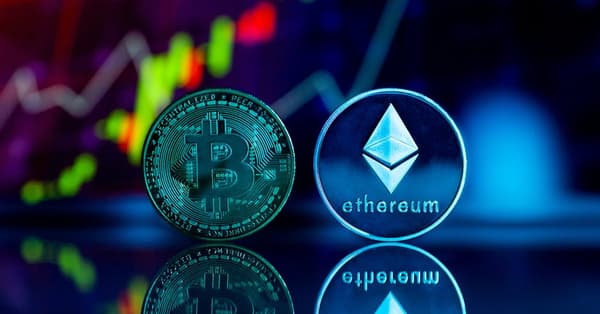
This article dives into the key factors you should consider when evaluating the long-term viability of altcoins, including technology, community support, real-world applications, and strategic investment approaches. Ready? Let’s jump in!
Altcoins—short for alternative coins—are all cryptocurrencies except Bitcoin. They include a wide range of digital assets, with notable players like Ethereum, Litecoin, and Ripple each offering their own unique features and benefits.
Altcoins play a significant role in the overall cryptocurrency market, representing about 50% of the total crypto market cap. Their performance can create a ripple effect throughout the ecosystem, influencing investor behavior and market trends.
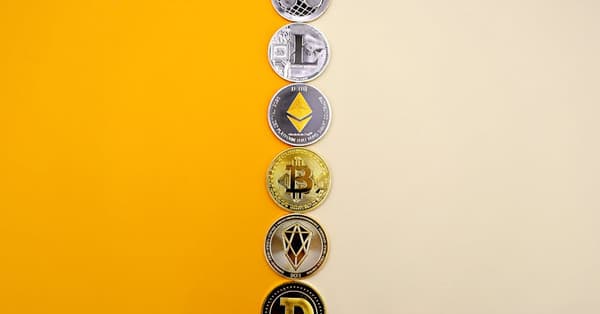
Since their debut around 2014, altcoins have evolved from simple Bitcoin clones into intricate multi-chain ecosystems. The shift from ERC-20 tokens to interoperable blockchains showcases the significant technological advancements and diversity that have emerged in the market.
Key features like consensus mechanisms (think Proof of Work vs. Proof of Stake) and scalability are vital to an altcoin's success. It’s essential to review a project's whitepaper and technical documentation to grasp its foundational technology.
Successful implementations, like Chainlink’s oracle services in DeFi, illustrate how altcoins can create demand through real-world applications—shining a light on aspects like transaction speed and cost efficiency.
Example: Solana vs. Binance Smart Chain (BSC)
- Scalability: Solana boasts a high throughput with thousands of transactions per second, while BSC offers rapid transactions at lower costs.
- Transaction Costs: Solana’s average transaction cost is around $0.00025, compared to BSC’s average of $0.10.
- Developer Community: Both ecosystems have vibrant developer communities that continuously push the boundaries of what's possible. [link: developer community]
Tags:
Ready to Make Profitable Crypto Calls?
Check out our proven track record on the leaderboard
View Leaderboard →Related Posts
Why Altcoins Are the Future of Your Crypto Portfolio
Curious about altcoins? Discover why diversifying with these assets could be key to maximizing your gains in today’s crypto market.
Unlocking the Potential of Altcoins: A Community Guide
Explore the booming altcoin market and learn why community engagement is key for investors. Discover top altcoins like Solana and PEPE now!
Navigating the Altcoin Surge: Compliance and Opportunities
The altcoin market is booming, but new regulations are changing the game. Discover what traders need to know to stay compliant and seize opportunities.
Why Altcoins Are Dominating the 2023 Crypto Market
Explore the explosive growth of altcoins in 2023 and discover investment strategies for tapping into this thriving market. Don't miss out!
Unlocking Altcoin Holder Distribution: Smart Strategies Ahead
As altcoins rise, understanding holder distribution is key. Discover insights and strategies to maximize your potential gains in the current market!
Top Altcoins to Watch: Riding the 120% Surge
Discover the latest altcoin trends that are outpacing Bitcoin. Explore which altcoins are capturing investor interest in today's market.