The Altcoin Revival: Understanding Inflation Mechanisms
Explore the $400 billion altcoin market surge and discover how new players like BONK and PEPE are reshaping inflation conversations in crypto.
As of October 2023, the altcoin market boasts a staggering $400 billion in market cap, with exciting new projects like BONK and PEPE stealing the spotlight. This resurgence has sparked fresh conversations about inflation mechanisms in the altcoin space.
In a rapidly evolving crypto landscape, grasping the nuances of inflation in altcoins is essential for investors aiming to make savvy choices. Inflation can greatly influence the value and utility of altcoins, shaping market strategies and ultimately affecting investment returns.
In this article, we’ll dive into the various inflation mechanisms at play in the altcoin arena, compare their implications, and offer insights into how these factors can steer your investment decisions in today’s market.

Inflation in the cryptocurrency world refers to the rate at which new coins are minted and added to the existing supply. This process can dilute the ownership stakes of current holders, impacting the coin's overall value.
Unlike traditional fiat currencies, where central banks can tweak supply at will, inflation in cryptocurrencies is typically embedded in the protocol itself, dictating how and when new coins come into play.

Understanding inflation is crucial because it directly influences coin value and shapes investor sentiment. Take, for instance, the altcoin boom of early 2021—inflationary dynamics played a significant role in the price surges of numerous altcoins.
Historical events, like Ethereum’s scaling challenges, led to soaring transaction fees, which negatively impacted its market cap and user adoption. [link: Ethereum scaling issues]
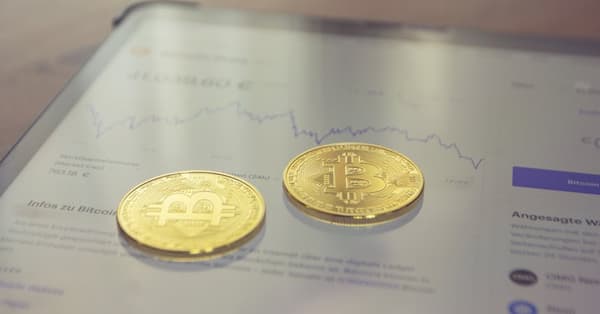
Fixed supply models, like Bitcoin, have a capped total supply of 21 million coins, fostering a sense of scarcity. On the flip side, inflationary models, such as Ethereum, don’t impose a hard limit, allowing for continuous issuance.
This fundamental difference can lead to varied market behaviors; for example, Bitcoin tends to appreciate over time, while Ethereum often experiences more volatile price swings. [link: Bitcoin vs Ethereum]

Controlled inflation mechanisms introduce a level of governance to oversee the expansion of a coin's supply. For instance, Solana features an inflation schedule that gradually reduces the inflation rate over time.
Inflation in PoW networks occurs primarily through mining rewards, which serve as an incentive for miners to secure the network. This method can lead to a steady increase in the supply of coins, affecting market dynamics. [link: PoW explained]
Tags:
Ready to Make Profitable Crypto Calls?
Check out our proven track record on the leaderboard
View Leaderboard →Related Posts
Why Altcoins Are the Future of Your Crypto Portfolio
Curious about altcoins? Discover why diversifying with these assets could be key to maximizing your gains in today’s crypto market.
Unlocking the Potential of Altcoins: A Community Guide
Explore the booming altcoin market and learn why community engagement is key for investors. Discover top altcoins like Solana and PEPE now!
Navigating the Altcoin Surge: Compliance and Opportunities
The altcoin market is booming, but new regulations are changing the game. Discover what traders need to know to stay compliant and seize opportunities.
Why Altcoins Are Dominating the 2023 Crypto Market
Explore the explosive growth of altcoins in 2023 and discover investment strategies for tapping into this thriving market. Don't miss out!
Unlocking Altcoin Holder Distribution: Smart Strategies Ahead
As altcoins rise, understanding holder distribution is key. Discover insights and strategies to maximize your potential gains in the current market!
Top Altcoins to Watch: Riding the 120% Surge
Discover the latest altcoin trends that are outpacing Bitcoin. Explore which altcoins are capturing investor interest in today's market.