Understanding Altcoin Governance: A Trader's Guide
Dive into the vital role of governance in the altcoin market. Discover how recent changes impact your trading strategies and portfolio decisions.
As the altcoin market continues to mature, grasping the governance systems that underpin these cryptocurrencies has never been more crucial. With a market capitalization hovering around $150 billion and thousands of active projects, the landscape is dynamic. Recent events, like Ethereum's transition to proof of stake and significant regulatory announcements in late 2023, have notably reshaped governance methodologies.
Governance systems play a vital role in the sustainability of altcoin projects, influencing everything from protocol upgrades to community engagement. As the altcoin landscape evolves, the challenges and opportunities tied to effective governance systems become increasingly clear.
In this article, we’ll dive into various governance models, share real-world examples of successful implementations, and offer strategic insights aimed at investors and developers looking to navigate the altcoin ecosystem with confidence.
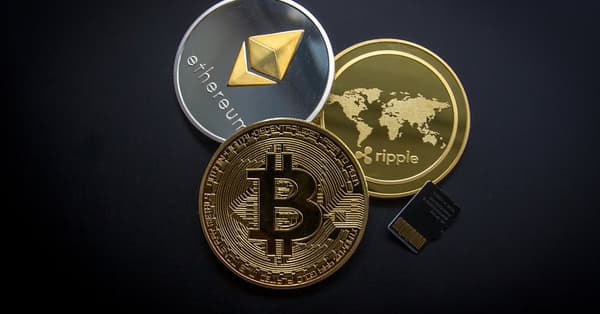
In the crypto space, governance refers to the mechanisms through which stakeholders make decisions about a decentralized network. These decisions can cover a wide range, from protocol changes to financial management strategies.
Governance has come a long way since Bitcoin’s straightforward miner consensus model. Early governance was primarily in the hands of core developers, but today’s altcoin governance increasingly involves community input and decentralized decision-making processes.
Effective governance is key to nurturing community engagement, ensuring transparent decision-making, and adapting protocols to the ever-changing market landscape.

On-chain governance involves decisions recorded directly on the blockchain, enhancing transparency and accountability. In contrast, off-chain governance relies on external discussions, which may be less formal but often more flexible.
In token-based governance, stakeholders utilize tokens to vote on proposals, aligning incentives and elevating community involvement. Essentially, the more tokens a user holds, the greater their influence on decision-making.
This hybrid model allows token holders to delegate their voting power to trusted representatives, blending the benefits of direct and representative democracy. It empowers users to maintain influence while also enabling experts to drive informed decisions on their behalf.

By understanding these governance systems, altcoin enthusiasts can better appreciate how their favorite projects operate and contribute to their long-term success.
Tags:
Ready to Make Profitable Crypto Calls?
Check out our proven track record on the leaderboard
View Leaderboard →Related Posts
Why Altcoins Are the Future of Your Crypto Portfolio
Curious about altcoins? Discover why diversifying with these assets could be key to maximizing your gains in today’s crypto market.
Unlocking the Potential of Altcoins: A Community Guide
Explore the booming altcoin market and learn why community engagement is key for investors. Discover top altcoins like Solana and PEPE now!
Navigating the Altcoin Surge: Compliance and Opportunities
The altcoin market is booming, but new regulations are changing the game. Discover what traders need to know to stay compliant and seize opportunities.
Why Altcoins Are Dominating the 2023 Crypto Market
Explore the explosive growth of altcoins in 2023 and discover investment strategies for tapping into this thriving market. Don't miss out!
Unlocking Altcoin Holder Distribution: Smart Strategies Ahead
As altcoins rise, understanding holder distribution is key. Discover insights and strategies to maximize your potential gains in the current market!
Top Altcoins to Watch: Riding the 120% Surge
Discover the latest altcoin trends that are outpacing Bitcoin. Explore which altcoins are capturing investor interest in today's market.