Understanding Altcoin Inflation: Essential Insights for Traders
Dive into the world of altcoin inflation mechanisms and discover how they impact your investments in this vibrant crypto landscape.
The cryptocurrency market is buzzing with altcoins, boasting a combined market cap that recently surpassed $500 billion. Memecoins like Dogecoin (DOGE) have caught the public's eye, while innovative projects such as Ethereum and Solana continue to push boundaries. Major regulatory shifts and technological advancements are influencing inflation rates across the board. For any investor looking to navigate the altcoin landscape effectively, understanding these inflation mechanisms is crucial.
In this article, we’ll unpack how inflation mechanisms work in altcoins, their implications for investors, and what you should keep an eye on moving forward.
When we talk about inflation in the crypto world, we’re referring to the rate at which new coins are minted and introduced into circulation. This can dilute the value of existing coins if demand doesn’t keep up. Knowing whether an altcoin operates on an inflationary or deflationary model is key to assessing its long-term viability.
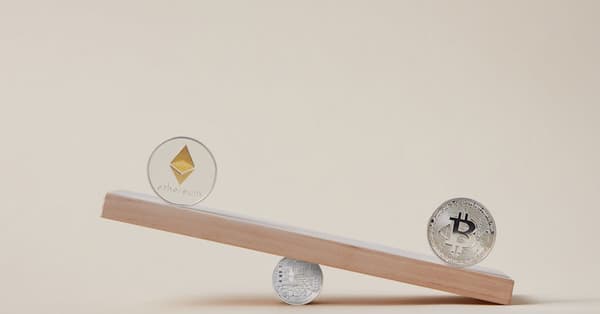
In PoS networks, staking rewards create inflation as new tokens are generated to incentivize validators. Take Ethereum 2.0, for example; its shift to a PoS model has resulted in an estimated annual inflation rate of around 0.5% to 2%, depending on overall staking activity. Pretty interesting, right?
Mining rewards play a significant role in inflation within PoW networks. For instance, Bitcoin’s halving events happen about every four years and reduce the block reward, effectively controlling inflation. After the halving in May 2020, Bitcoin’s inflation rate dropped from 3.6% to roughly 1.8%. It’s a fascinating dance of supply and demand!
Token burns can counteract inflation by permanently removing tokens from circulation. A great example here is Binance Coin (BNB), which conducts quarterly burns aimed at decreasing supply and thereby applying upward pressure on prices. It’s like a built-in deflationary mechanism!
🎯 KEY INSIGHT
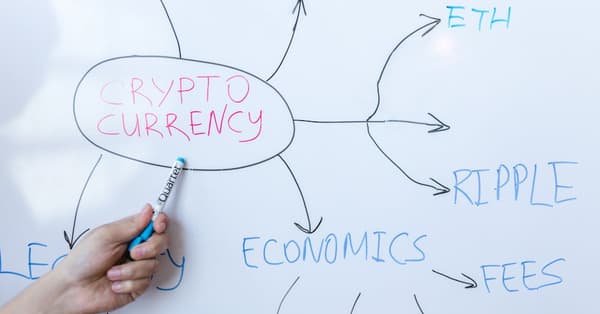
As of Q3 2023, Ethereum's PoS inflation rate sits around 1.1%, while Bitcoin’s inflation stands at 1.8% post-halving. Keeping an eye on these rates can help you make informed decisions in the ever-evolving altcoin space. [link: inflation trends]