Understanding Altcoin Inflation: Mechanisms Unpacked
Join me in exploring the fascinating world of altcoin inflation mechanisms and see how they're impacting the crypto market today!
As of October 2023, the total market cap of altcoins has skyrocketed to $500 billion. We’re also seeing a notable uptick in transaction volume across platforms like Solana and Binance Smart Chain. This surge signals a rising interest in altcoins as investors venture into innovative projects.
With the growing focus on decentralized finance (DeFi) and non-fungible tokens (NFTs), understanding inflation mechanisms becomes crucial for assessing the stability and appeal of altcoins for both investors and developers alike.
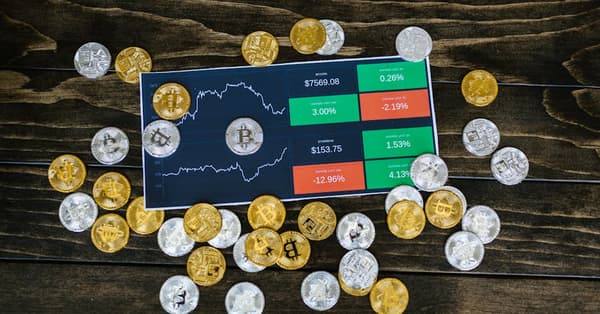
In this article, we’ll explore the various inflation strategies utilized by altcoins, share some real-world examples, and discuss what this all means for your investment strategy. Let’s dive right in!
When we talk about inflation in the crypto world, we’re referring to the increase in the supply of coins over time. If demand doesn’t keep up, this can lead to a decrease in the value of each coin. Grasping this concept is fundamental, as it applies economic principles to the diverse ecosystems of altcoins.
Inflation mechanisms play a significant role in shaping supply and demand dynamics. For instance, an altcoin with a high inflation rate might attract short-term traders, while long-term investors could be put off by worries of potential devaluation.
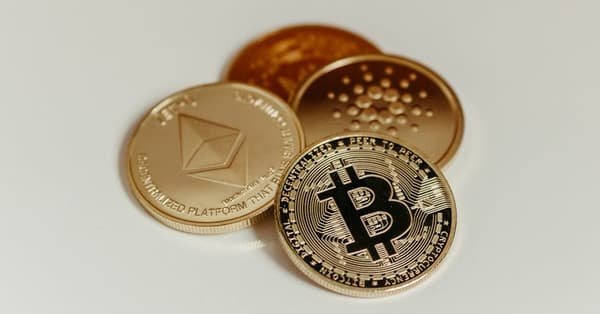
Plus, inflation can impact network security and user engagement. Higher inflation rates might encourage users to stake their coins, which helps secure the network while providing them with rewards. It’s a bit of a balancing act!
Fixed supply coins, like Bitcoin, have a capped number of coins that can ever be mined. This scarcity can enhance demand and potentially drive up value. On the flip side, inflationary altcoins such as Ethereum can mint new coins to fund operations or incentivize network activity.
Some altcoins have taken a more innovative approach with dynamic monetary policies that adjust inflation rates based on market conditions. Take Algorand, for instance; its governance model allows community members to vote on changes to inflation rates, fostering decentralization and encouraging user participation. Now that's a great way to keep the community engaged!
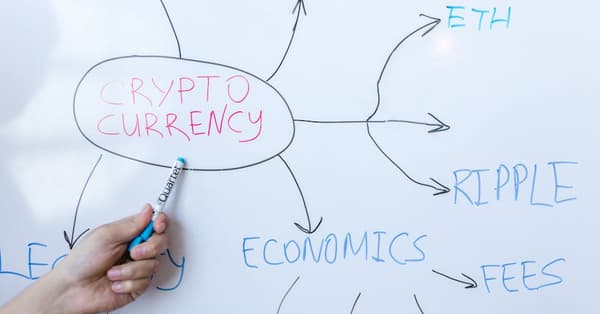
Whether you’re looking to invest in altcoins or just want to understand their intricacies, grasping these inflation mechanisms is key. Remember, it’s not just about numbers; it’s about how these strategies impact the broader crypto landscape. Happy investing!
Tags:
Ready to Make Profitable Crypto Calls?
Check out our proven track record on the leaderboard
View Leaderboard →Related Posts
Why Altcoins Are the Future of Your Crypto Portfolio
Curious about altcoins? Discover why diversifying with these assets could be key to maximizing your gains in today’s crypto market.
Unlocking the Potential of Altcoins: A Community Guide
Explore the booming altcoin market and learn why community engagement is key for investors. Discover top altcoins like Solana and PEPE now!
Navigating the Altcoin Surge: Compliance and Opportunities
The altcoin market is booming, but new regulations are changing the game. Discover what traders need to know to stay compliant and seize opportunities.
Why Altcoins Are Dominating the 2023 Crypto Market
Explore the explosive growth of altcoins in 2023 and discover investment strategies for tapping into this thriving market. Don't miss out!
Unlocking Altcoin Holder Distribution: Smart Strategies Ahead
As altcoins rise, understanding holder distribution is key. Discover insights and strategies to maximize your potential gains in the current market!
Top Altcoins to Watch: Riding the 120% Surge
Discover the latest altcoin trends that are outpacing Bitcoin. Explore which altcoins are capturing investor interest in today's market.