Understanding Altcoin Inflation: Strategies for 2023
Dive into the world of altcoins as we explore inflation mechanisms and their impact on investment strategies. Stay ahead in this evolving market!
As of October 2023, altcoins have surged to account for over 50% of the total cryptocurrency market capitalization, signaling a rising tide of investor enthusiasm. Recent newcomers like BONK and PEPE highlight the volatile inflation mechanisms at play, which can dramatically influence investment strategies.
Grasping the nuances of altcoin inflation mechanisms is essential as new coins continue to flood the market. These mechanisms have profound implications for investor returns, market stability, and the overall viability of altcoins.
In this article, you’ll uncover the various inflation mechanisms employed by altcoins, gain insights on how to manage investments in inflationary altcoins, and explore case studies that illustrate these mechanisms in action.
🎯 KEY INSIGHT
In 2022, a staggering 45% of altcoins faced inflation rates exceeding 50%, highlighting the volatility inherent in altcoin investments.
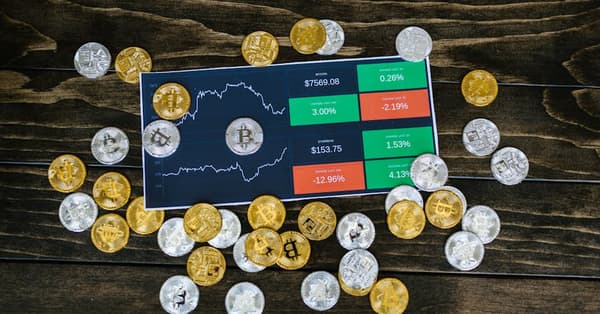
In the realm of cryptocurrencies, inflation refers to the rate at which new tokens are generated, causing fluctuations in supply. Unlike traditional fiat currencies, altcoin inflation can be shaped by a variety of factors, including community consensus and decision-making processes.
Since Bitcoin hit the scene, inflation mechanisms within altcoins have undergone significant evolution. Initially, many altcoins emulated Bitcoin's fixed supply model, but a growing number have embraced inflationary models to stimulate participation and foster development.
For investors, understanding inflation is paramount; it directly impacts the long-term viability of altcoins. High inflation can diminish value unless countermeasures, like token burns or regulatory controls, are put in place.
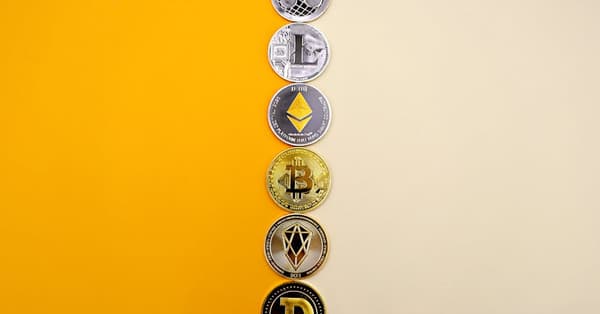
Altcoins can either feature a fixed supply, akin to Bitcoin, or an inflationary supply, as seen with Ethereum. Fixed-supply coins cap the total number of tokens available, while inflationary coins continually generate new tokens, which can potentially dilute value.
Consensus mechanisms such as Proof-of-Work (PoW) and Proof-of-Stake (PoS) play a pivotal role in shaping inflation rates. PoW coins typically adhere to predictable inflation schedules, whereas PoS coins can exhibit significant variability based on the levels of staking participation.
Token burns involve permanently removing a portion of coins from circulation, which can help control inflation and enhance scarcity. Similarly, buybacks can reduce the available supply, contributing to price stabilization.
💡 PRO TIP: Always take a closer look at the tokenomics of an altcoin before investing. It can save you from surprises down the line!