Understanding Altcoin Inflation: What Every Investor Should Know
Dive into the world of altcoin inflation mechanisms and discover how they impact your investments in today's volatile crypto market.
As of October 2023, altcoins represent over 40% of the total crypto market capitalization, with inflation rates differing widely among various projects. Grasping this variance is essential for investors trying to navigate a complex market.
With regulatory bodies tightening their grip and investors becoming more discerning, understanding the inflation mechanisms behind altcoins is crucial for making informed investment decisions. In this article, we'll dive into the different inflation mechanisms, provide strategic insights, and analyze real-world altcoin examples to help guide your investment journey.
Inflation refers to the rate at which the general level of prices for goods and services rises, leading to a decrease in purchasing power. In the context of altcoins, inflation mechanisms dictate how new tokens are issued and how existing tokens may lose value over time.
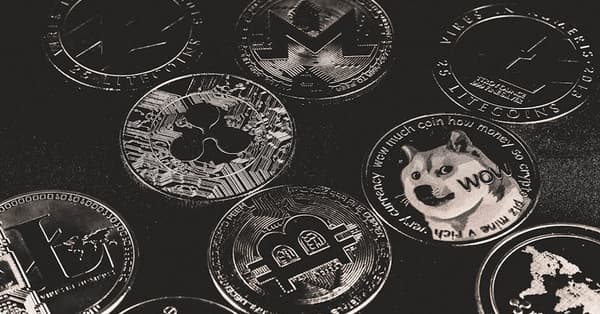
When it comes to cryptocurrencies, inflation can be categorized into two main types: fixed supply and variable supply. Fixed supply assets, like Bitcoin, have a capped number of coins that will ever exist, while variable supply assets can increase indefinitely, which can lead to different inflation dynamics.
Inflation directly affects purchasing power and can lead to market volatility. As new tokens are introduced, the existing supply may become less valuable, which can significantly impact your long-term investment strategies.
🎯 KEY INSIGHT
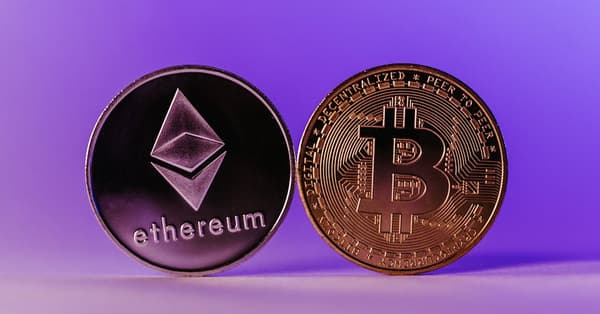
In 2023, the average inflation rate for altcoins hovered around 7%, which is notably higher than Bitcoin's controlled inflation rate.
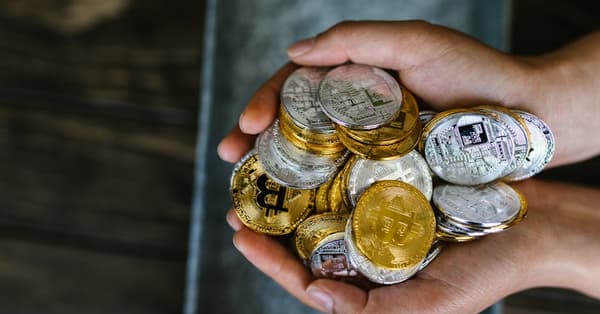
In Proof of Work systems, like Bitcoin, inflation occurs through mining rewards. Miners validate transactions and, in return, receive newly minted coins. This continuous issuance can lead to inflation as the supply grows.
For instance, while Bitcoin's inflation rate decreases over time due to its halving schedule, Ethereum Classic continues to issue rewards, thereby affecting its inflation trajectory.
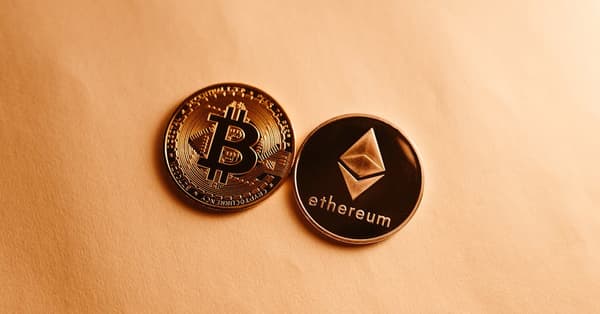
Proof of Stake mechanisms, such as Ethereum 2.0, utilize staking rewards to encourage users to hold their tokens, impacting inflation in a different way. Cardano follows a PoS model as well but features a unique inflationary schedule.
Centralized models, such as... [link: topic]
Tags:
Ready to Make Profitable Crypto Calls?
Check out our proven track record on the leaderboard
View Leaderboard →Related Posts
Why Altcoins Are the Future of Your Crypto Portfolio
Curious about altcoins? Discover why diversifying with these assets could be key to maximizing your gains in today’s crypto market.
Unlocking the Potential of Altcoins: A Community Guide
Explore the booming altcoin market and learn why community engagement is key for investors. Discover top altcoins like Solana and PEPE now!
Navigating the Altcoin Surge: Compliance and Opportunities
The altcoin market is booming, but new regulations are changing the game. Discover what traders need to know to stay compliant and seize opportunities.
Why Altcoins Are Dominating the 2023 Crypto Market
Explore the explosive growth of altcoins in 2023 and discover investment strategies for tapping into this thriving market. Don't miss out!
Unlocking Altcoin Holder Distribution: Smart Strategies Ahead
As altcoins rise, understanding holder distribution is key. Discover insights and strategies to maximize your potential gains in the current market!
Top Altcoins to Watch: Riding the 120% Surge
Discover the latest altcoin trends that are outpacing Bitcoin. Explore which altcoins are capturing investor interest in today's market.