Understanding Altcoin Inflation: What Traders Need to Know
Inflation rates in altcoins are rising. Here’s why understanding these mechanisms is crucial for your trading strategy in this recovering market.
As of October 2023, the total market cap of altcoins has surged past $600 billion, signaling a noteworthy recovery in the crypto space. Yet, amid this growth, the inflation mechanisms at play within altcoins are attracting some serious scrutiny.
With inflation rates climbing globally and traditional currencies facing depreciation, it’s crucial for investors to understand how this inflation impacts altcoins. This knowledge can help them preserve their wealth and seize new opportunities.
In this article, we’ll dive into the different inflation mechanisms used by altcoins, explore their implications for investors, and share strategies to navigate these dynamics effectively.

Inflation is the rate at which the general level of prices for goods and services rises, which can erode your purchasing power. In simpler terms, it means money is losing its value over time.
Unlike traditional fiat inflation, which often relies on monetary policies to manage it, cryptocurrency inflation can be programmed through consensus mechanisms and tokenomics. This means it’s a bit more predictable in some ways.
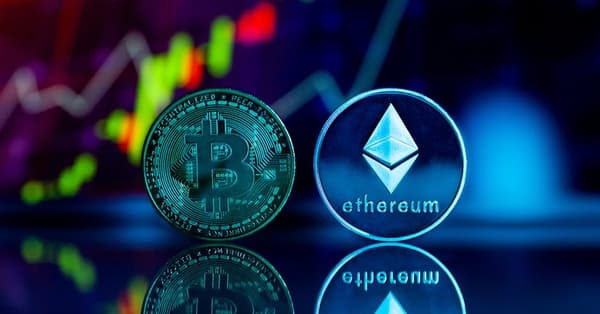
The inflation we see in the crypto world differs from traditional inflation primarily because of its decentralized nature. Here, inflation rates can be set and enforced by code, leading to more predictable supply models.
Plus, the dynamics of supply and demand are super important in crypto. Increased demand can push prices up even in inflationary conditions, which is a refreshing change from fiat currencies that tend to depreciate during inflationary times.
For altcoin investors, grasping the intricacies of inflation mechanisms is essential. It helps in evaluating the long-term value proposition of an asset, which, in turn, guides smarter investment choices.
Inflation doesn’t just affect prices; it also influences investor sentiment and market dynamics, making it a pivotal factor in effective portfolio management.
In inflationary models, new tokens come into play through minting processes like Proof of Work (PoW) and Proof of Stake (PoS), which can significantly impact supply dynamics.
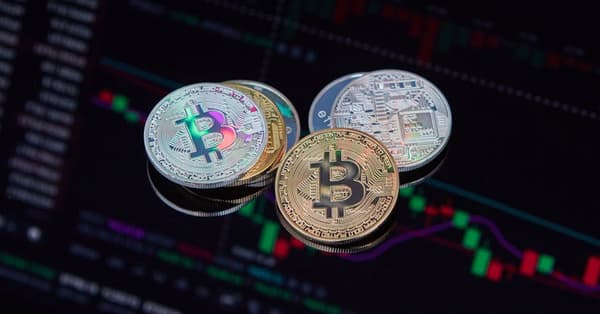
For example, Bitcoin miners earn block rewards for validating transactions, while Ethereum’s shift to PoS means validators can earn rewards simply by staking their tokens.
Token burn is the process of permanently removing tokens from circulation, which can help manage supply and potentially boost value. It’s a fascinating mechanism that adds another layer to the inflation conversation in the altcoin realm.
Tags:
Ready to Make Profitable Crypto Calls?
Check out our proven track record on the leaderboard
View Leaderboard →Related Posts
Why Altcoins Are the Future of Your Crypto Portfolio
Curious about altcoins? Discover why diversifying with these assets could be key to maximizing your gains in today’s crypto market.
Unlocking the Potential of Altcoins: A Community Guide
Explore the booming altcoin market and learn why community engagement is key for investors. Discover top altcoins like Solana and PEPE now!
Navigating the Altcoin Surge: Compliance and Opportunities
The altcoin market is booming, but new regulations are changing the game. Discover what traders need to know to stay compliant and seize opportunities.
Why Altcoins Are Dominating the 2023 Crypto Market
Explore the explosive growth of altcoins in 2023 and discover investment strategies for tapping into this thriving market. Don't miss out!
Unlocking Altcoin Holder Distribution: Smart Strategies Ahead
As altcoins rise, understanding holder distribution is key. Discover insights and strategies to maximize your potential gains in the current market!
Top Altcoins to Watch: Riding the 120% Surge
Discover the latest altcoin trends that are outpacing Bitcoin. Explore which altcoins are capturing investor interest in today's market.