Understanding Altcoin Inflation: What Traders Need to Know
Dive into the current altcoin market trends and discover how inflation impacts your trading strategies. Stay ahead in this volatile landscape!
The altcoin market is currently experiencing some wild fluctuations, with the total market capitalization sitting around $1.2 trillion as of October 2023. Recent trends indicate that inflation rates among leading altcoins, like Ethereum, have surged to as high as 3.5% annually.
Grasping the inflation mechanisms at play in altcoins is essential during these unpredictable times, as they can heavily influence investment strategies. In this article, we'll dive into the different inflation mechanisms, their implications for investors, and explore specific case studies of noteworthy altcoins.
We'll touch on key points such as the various types of inflation models, their impact on value erosion, and strategies for navigating these turbulent waters.

🎯 KEY INSIGHT
Altcoins featuring inflationary mechanisms, like Ethereum, have seen an average inflation rate increase of 2% compared to stable or deflationary models over the past year.

Inflation in the cryptocurrency world refers to the rate at which the supply of a coin increases, ultimately reducing its purchasing power. In the realm of altcoins, this inflation can vary widely depending on each coin's monetary policy.
Inflation has long been a hallmark of fiat currencies. In stark contrast, cryptocurrencies like Bitcoin have introduced the concept of capped supply, which has transformed the conversation around inflation in financial systems.
When it comes to inflation rates in altcoins, supply and demand play pivotal roles. A surge in demand for a coin with limited supply can boost its value, whereas an oversupply can lead to value erosion.
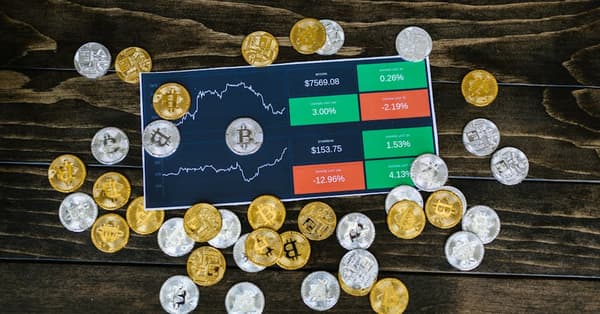
Coins such as Bitcoin boast a fixed supply of 21 million, creating a sense of scarcity. On the other hand, inflationary coins like Ethereum can have their supply adjusted dynamically, resulting in fluctuating inflation rates.
Deflationary tactics, including token burns, effectively remove coins from circulation. This can counteract inflation and potentially enhance scarcity and value over time.

Staking offers rewards that can lead to inflation if the distribution of new coins exceeds those that are burned or utilized elsewhere. Similarly, yield farming encourages liquidity provision, which can also influence inflation rates.
💡 PRO TIP: Before you invest, take a close look at an altcoin's staking model. Understanding how rewards are structured can shed light on its overall supply dynamics.