Understanding Altcoin Inflation: What You Need to Know
The altcoin market is buzzing post-Bitcoin halving. Dive into the inflation mechanisms that could shape your next investment decision.
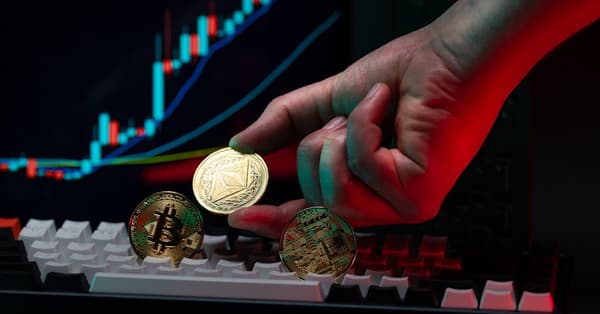
The current altcoin market is experiencing some wild fluctuations, with a total market cap surpassing $1 trillion. Bitcoin's recent halving event has sent ripples throughout various cryptocurrencies. As new projects pop up and regulatory changes are on the horizon, understanding the inflation mechanisms that govern these currencies has never been more critical.
Inflation can significantly impact investment strategies and the long-term viability of altcoins. As investors navigate this volatile landscape, grasping different inflation mechanisms can provide valuable insights into the future potential value of altcoins.
In this article, we’ll dive into various inflation mechanisms, their impact on altcoin value, and strategies to effectively steer through this complex landscape.
🎯 KEY INSIGHT
Did you know that over 80% of altcoins experience inflation rates exceeding 5% annually? This can have a significant effect on their long-term value and your investment strategies.
Inflation in cryptocurrencies refers to the increase in a coin's supply over time, which directly impacts its value. Unlike traditional finance, where central banks drive inflation, crypto inflation is typically determined algorithmically by the coin's protocol.
Bitcoin introduced a controlled inflation mechanism with its halving events, which sharply cut mining rewards every four years. On the flip side, Ethereum’s shift to Proof of Stake (PoS) aims to reduce inflation by decreasing new supply over time.

In PoW systems, coins are generated through mining rewards, creating inflation. Take Bitcoin’s first halving in 2012, for example, which slashed the block reward from 50 BTC to 25 BTC. This clearly illustrates how supply adjustments can impact inflation.
In PoS systems, staking rewards bring new coins into the mix. Ethereum 2.0, which is transitioning from PoW to PoS, anticipates an inflation rate of around 0.5% to 2% as more users stake their coins, helping to stabilize the ecosystem.

Minting refers to creating new coins from existing ones. For instance, BONK employs unique minting strategies to incentivize community engagement and drive demand.
Tags:
Ready to Make Profitable Crypto Calls?
Check out our proven track record on the leaderboard
View Leaderboard →Related Posts
Why Altcoins Are the Future of Your Crypto Portfolio
Curious about altcoins? Discover why diversifying with these assets could be key to maximizing your gains in today’s crypto market.
Unlocking the Potential of Altcoins: A Community Guide
Explore the booming altcoin market and learn why community engagement is key for investors. Discover top altcoins like Solana and PEPE now!
Navigating the Altcoin Surge: Compliance and Opportunities
The altcoin market is booming, but new regulations are changing the game. Discover what traders need to know to stay compliant and seize opportunities.
Why Altcoins Are Dominating the 2023 Crypto Market
Explore the explosive growth of altcoins in 2023 and discover investment strategies for tapping into this thriving market. Don't miss out!
Unlocking Altcoin Holder Distribution: Smart Strategies Ahead
As altcoins rise, understanding holder distribution is key. Discover insights and strategies to maximize your potential gains in the current market!
Top Altcoins to Watch: Riding the 120% Surge
Discover the latest altcoin trends that are outpacing Bitcoin. Explore which altcoins are capturing investor interest in today's market.