Unlocking Altcoin Inflation: Key Insights for Traders
Dive into the world of altcoin inflation mechanisms and discover how they impact your investments in the ever-changing crypto landscape.
🎯 KEY INSIGHT
As of October 2023, the altcoin market capitalization sits at approximately $940 billion, showcasing significant fluctuations tied closely to various inflation mechanisms. For example, coins like Solana (SOL) have experienced a staggering 340% increase in market cap over the past year, illustrating just how impactful supply dynamics can be.
In today's unpredictable crypto landscape, grasping the inflation mechanisms in altcoins is essential for anyone looking to navigate the market successfully. Recent developments, like Ethereum's shift to a proof-of-stake model, have ignited fresh interest in how inflation influences altcoin values and investor strategies.
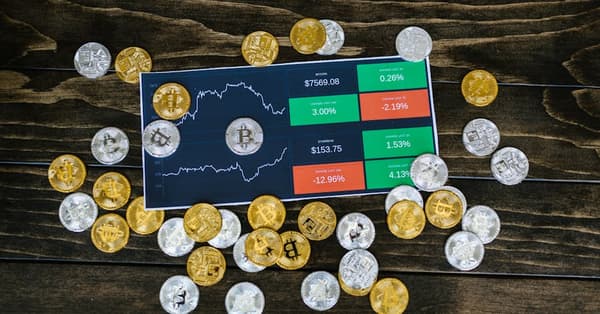
Understanding altcoin inflation allows investors to anticipate market trends and make well-informed decisions. In this article, we’ll explore definitions, various mechanisms, implications, and future outlooks for different altcoins.
Inflation in cryptocurrencies refers to the drop in a coin's purchasing power due to an increase in its supply. Unlike traditional finance, which often relies on fixed models, the crypto world showcases a variety of inflationary practices that can affect altcoins differently.
The supply cap is crucial because it determines the maximum number of coins that can exist. Capped altcoins, like Bitcoin, are often viewed as deflationary, while uncapped ones, such as Ethereum, may see ongoing inflation that can influence both value and investor behavior.
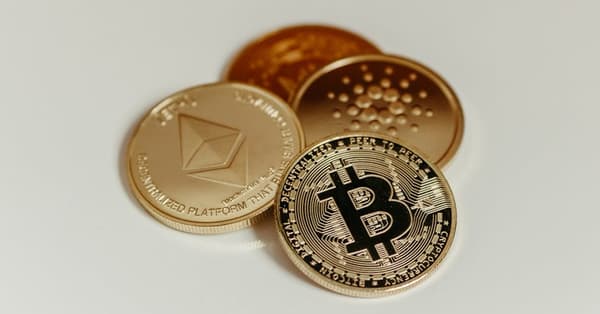
Historically, altcoins have seen significant evolution in their inflation models. Key events, like Bitcoin's halving and Ethereum's transition to proof-of-stake, have shaped the inflation narrative and impacted market sentiment and investor confidence.
Altcoins like Bitcoin operate under a fixed supply model, creating a sense of scarcity. While this can drive demand, it can also lead to price volatility and market manipulation—definitely something to keep an eye on.
Continuous inflation is exemplified by Ethereum post-merge, where new tokens are regularly issued to secure the network. While this can enhance liquidity, it may also dilute perceived value over time, a trade-off investors should consider.
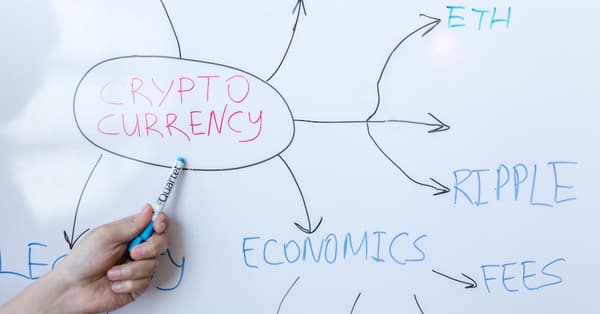
Deflationary mechanisms, such as token burns, aim to lower supply. Coins like Binance Coin (BNB) have regular burn events that create a supply shortage, potentially driving prices up as demand outpaces availability.
Solana offers a unique inflation schedule, currently set at around 8% annually, which decreases over time. This structure impacts liquidity and market dynamics, making it a fascinating case study for anyone interested in understanding altcoin inflation mechanisms.
Tags:
Ready to Make Profitable Crypto Calls?
Check out our proven track record on the leaderboard
View Leaderboard →Related Posts
Why Altcoins Are the Future of Your Crypto Portfolio
Curious about altcoins? Discover why diversifying with these assets could be key to maximizing your gains in today’s crypto market.
Unlocking the Potential of Altcoins: A Community Guide
Explore the booming altcoin market and learn why community engagement is key for investors. Discover top altcoins like Solana and PEPE now!
Navigating the Altcoin Surge: Compliance and Opportunities
The altcoin market is booming, but new regulations are changing the game. Discover what traders need to know to stay compliant and seize opportunities.
Why Altcoins Are Dominating the 2023 Crypto Market
Explore the explosive growth of altcoins in 2023 and discover investment strategies for tapping into this thriving market. Don't miss out!
Unlocking Altcoin Holder Distribution: Smart Strategies Ahead
As altcoins rise, understanding holder distribution is key. Discover insights and strategies to maximize your potential gains in the current market!
Top Altcoins to Watch: Riding the 120% Surge
Discover the latest altcoin trends that are outpacing Bitcoin. Explore which altcoins are capturing investor interest in today's market.