Unlocking Altcoin Inflation: Strategies You Should Know
Curious about altcoin inflation? Dive into the latest strategies behind popular tokens and how they impact your investments. Let's explore together!
As of October 2023, the market capitalization of altcoins has surged past $150 billion, with a multitude of projects employing unique inflation strategies to draw in investors. The recent excitement around tokens like PEPE and BONK has sparked fresh conversations about inflation mechanisms in the crypto world.
Grasping these inflation mechanisms is essential for both investors and developers navigating today's dynamic landscape. They can greatly influence token value, investor sentiment, and overall market behavior, making it crucial to understand their implications.
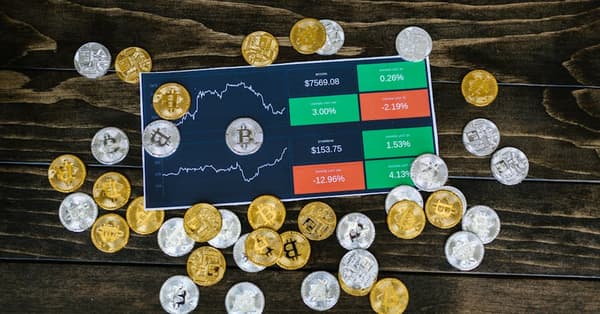
In this article, we’ll delve into the various types of inflation mechanisms, their real-world impacts, some standout examples of altcoins, and the trends that could shape the future of this space.
Inflation typically refers to the erosion of purchasing power of a currency over time, and it applies to altcoins as well. As new tokens enter circulation or existing ones are burned, the supply dynamics shift, affecting market perceptions and prices.
While traditional currencies often face inflation driven by government policies, altcoins can leverage unique mechanisms—like token burns—to manage supply in innovative ways. This understanding helps investors differentiate between conventional financial principles and crypto-specific dynamics.
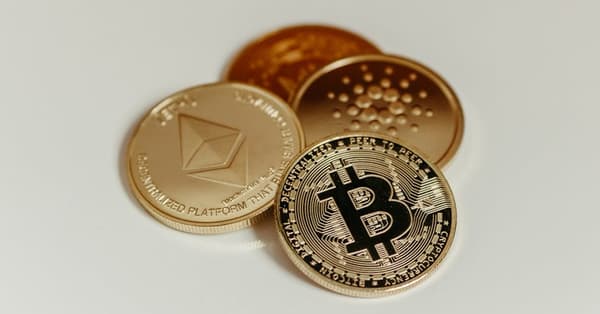
Fixed inflation strategies maintain a steady growth rate, much like Bitcoin. On the other hand, variable inflation can fluctuate depending on network activity or governance decisions, which is evident in Ethereum's evolving protocol.
Token burning is the process of permanently removing tokens from circulation, which decreases supply and can potentially boost value. A prime example is Binance Coin (BNB), which regularly conducts token burns to help manage its supply.
Staking mechanisms can also play a significant role in supply dynamics by encouraging users to lock up their tokens, thereby reducing the circulating supply. Projects like Solana and WIF showcase this model, offering returns to participants while keeping inflation in check.
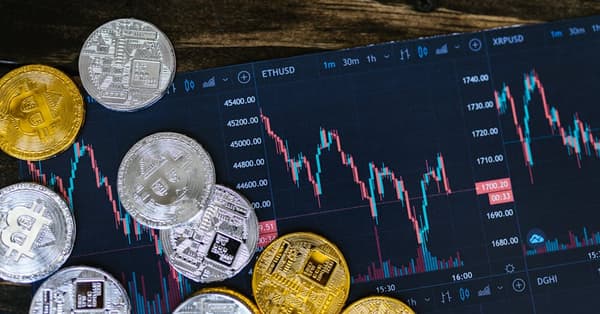
Solana's inflation model kicks off with a high inflation rate that gradually tapers over time. This strategy aims to balance initial demand with long-term sustainability, making it an interesting case study in the altcoin inflation landscape. [link: Solana inflation model]
Tags:
Ready to Make Profitable Crypto Calls?
Check out our proven track record on the leaderboard
View Leaderboard →Related Posts
Why Altcoins Are the Future of Your Crypto Portfolio
Curious about altcoins? Discover why diversifying with these assets could be key to maximizing your gains in today’s crypto market.
Unlocking the Potential of Altcoins: A Community Guide
Explore the booming altcoin market and learn why community engagement is key for investors. Discover top altcoins like Solana and PEPE now!
Navigating the Altcoin Surge: Compliance and Opportunities
The altcoin market is booming, but new regulations are changing the game. Discover what traders need to know to stay compliant and seize opportunities.
Why Altcoins Are Dominating the 2023 Crypto Market
Explore the explosive growth of altcoins in 2023 and discover investment strategies for tapping into this thriving market. Don't miss out!
Unlocking Altcoin Holder Distribution: Smart Strategies Ahead
As altcoins rise, understanding holder distribution is key. Discover insights and strategies to maximize your potential gains in the current market!
Top Altcoins to Watch: Riding the 120% Surge
Discover the latest altcoin trends that are outpacing Bitcoin. Explore which altcoins are capturing investor interest in today's market.