Unlocking Altcoin Inflation: What Every Investor Should Know
Discover the key inflation mechanisms behind altcoins and how they influence your investment strategy in today’s booming crypto market.
As of October 2023, the total market capitalization of altcoins has surged to over $800 billion, signaling a renewed interest among investors in alternatives to Bitcoin and Ethereum. Grasping the underlying inflation mechanisms of these assets is essential for making informed decisions.
With recent shifts in regulatory frameworks and the rise of innovative projects, inflation mechanics have become a hot topic for crypto enthusiasts and investors alike. This article dives into how different altcoins manage inflation, providing valuable context for their current market positions.
You'll learn about the various inflation mechanisms employed by altcoins, how they impact value and supply, and discover practical strategies to navigate the altcoin landscape effectively.
🎯 KEY INSIGHT
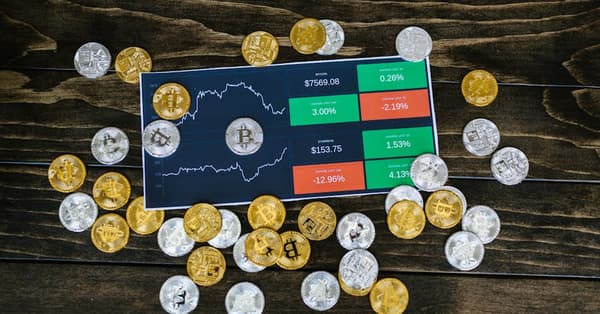
As of October 2023, approximately 60% of altcoins employ some form of inflationary model, which significantly impacts long-term value appreciation.
When we talk about inflation in the context of altcoins, we're referring to the rate at which new coins are created and circulated. This process can shift both supply and demand dynamics, ultimately influencing the value of a cryptocurrency.
Unlike traditional fiat inflation, which governments manage through monetary policies, altcoin inflation is often predetermined by algorithmic rules established within their blockchain protocols.
Understanding altcoin inflation is crucial because it directly affects your investment strategies. Historical events, like the 2018 crypto winter, highlighted the catastrophic effects on coins with rampant inflation and insufficient demand.
Fixed supply models, such as Bitcoin's capped 21 million coins, create a sense of scarcity. On the other hand, inflationary models, like Ethereum's post-upgrades, regularly introduce new tokens, which can dilute value over time.
Every altcoin has its own unique release schedule. Some feature gradual emissions, while others may have "halving" events or ramped-up issuance during specific periods to encourage participation. Understanding these schedules can be a game-changer for your investments.
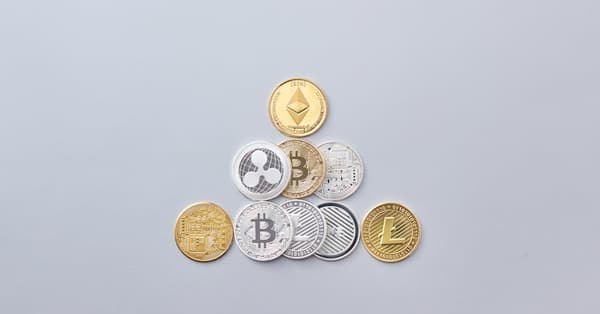
Minting refers to the process of creating new coins within a blockchain. This can significantly affect the inflation of an altcoin, as it determines how quickly new tokens enter circulation. Some altcoins have minting processes that incentivize holders to keep their assets, which can help stabilize their value.
Staking allows users to lock up their coins to support network operations in exchange for rewards. While this can be great for earning passive income, it can also lead to inflation if the rewards outpace demand. Balancing these factors is essential for maintaining a healthy ecosystem.
By understanding these mechanisms, you’ll be better equipped to make informed decisions about which altcoins to invest in. Stay tuned as we explore more strategies for navigating the ever-evolving altcoin landscape!
Tags:
Ready to Make Profitable Crypto Calls?
Check out our proven track record on the leaderboard
View Leaderboard →Related Posts
Why Altcoins Are the Future of Your Crypto Portfolio
Curious about altcoins? Discover why diversifying with these assets could be key to maximizing your gains in today’s crypto market.
Unlocking the Potential of Altcoins: A Community Guide
Explore the booming altcoin market and learn why community engagement is key for investors. Discover top altcoins like Solana and PEPE now!
Navigating the Altcoin Surge: Compliance and Opportunities
The altcoin market is booming, but new regulations are changing the game. Discover what traders need to know to stay compliant and seize opportunities.
Why Altcoins Are Dominating the 2023 Crypto Market
Explore the explosive growth of altcoins in 2023 and discover investment strategies for tapping into this thriving market. Don't miss out!
Unlocking Altcoin Holder Distribution: Smart Strategies Ahead
As altcoins rise, understanding holder distribution is key. Discover insights and strategies to maximize your potential gains in the current market!
Top Altcoins to Watch: Riding the 120% Surge
Discover the latest altcoin trends that are outpacing Bitcoin. Explore which altcoins are capturing investor interest in today's market.