Unlocking Altcoin Liquidity: Essential Insights for Traders
Explore the surge in altcoin trading and why understanding liquidity is essential for your trading strategy. Dive in for valuable insights!
As we move through Q3 2023, altcoin trading volumes have surged by an impressive 40%, showcasing a vibrant interest from traders. This uptick is a clear reflection of the ever-evolving cryptocurrency market.
Liquidity is a crucial factor in this dynamic landscape. It influences trading efficiency, impacts price stability, and shapes investor confidence in a market that can often feel like a rollercoaster ride. Recent events have underscored the challenges altcoins encounter—poor liquidity can lead to dramatic price swings that leave traders reeling.
In this article, we'll dive deep into the world of altcoin liquidity. You can expect insights on definitions, analysis techniques, practical tips, and what the future may hold for liquidity management.
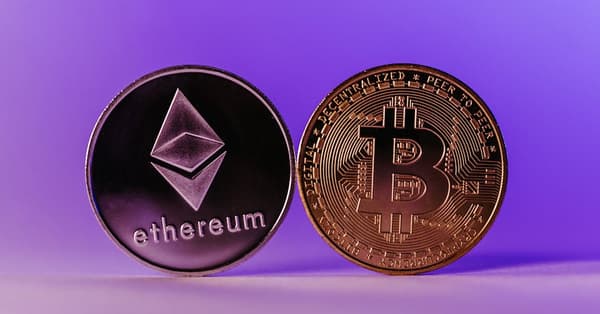
Liquidity essentially refers to how quickly an asset can be bought or sold in the market without significantly affecting its price. When it comes to altcoins, it reflects how easily traders can enter or exit their positions.
High liquidity typically translates to narrower spreads and less price impact from large trades. On the flip side, low liquidity can result in substantial slippage. For instance, a 340% price increase in low liquidity altcoins can create extreme volatility that’s tough to navigate.
This type of liquidity relates to how easily an asset can be traded in the market. High market liquidity is often linked with major exchanges like Binance and Coinbase, while lower liquidity may be found on decentralized exchanges (DEXs).
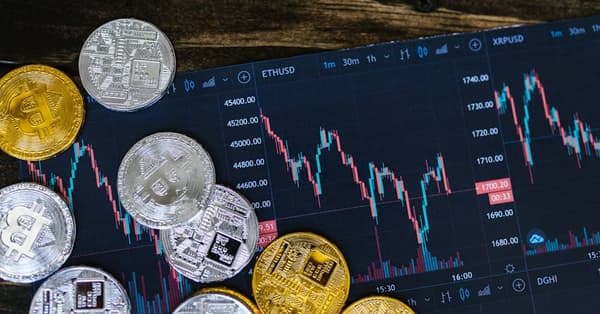
Funding liquidity refers to the availability of capital for trading activities. In the altcoin space, sufficient capital presence can spur more trading activity, enabling faster transactions.
This refers to the liquidity available to a trading platform or exchange to facilitate trades. An exchange with strong operational liquidity can manage large orders without causing significant price changes.
In liquid markets, large trades tend to have little impact on prices. However, in illiquid markets, significant trades can trigger dramatic price fluctuations. Take PEPE, for instance; it faced severe volatility when liquidity dried up. Understanding this relationship is key for any trader navigating the altcoin landscape.

For more insights on [link: market dynamics] and [link: trading strategies], keep reading!
Tags:
Ready to Make Profitable Crypto Calls?
Check out our proven track record on the leaderboard
View Leaderboard →Related Posts
Why Altcoins Are the Future of Your Crypto Portfolio
Curious about altcoins? Discover why diversifying with these assets could be key to maximizing your gains in today’s crypto market.
Unlocking the Potential of Altcoins: A Community Guide
Explore the booming altcoin market and learn why community engagement is key for investors. Discover top altcoins like Solana and PEPE now!
Navigating the Altcoin Surge: Compliance and Opportunities
The altcoin market is booming, but new regulations are changing the game. Discover what traders need to know to stay compliant and seize opportunities.
Why Altcoins Are Dominating the 2023 Crypto Market
Explore the explosive growth of altcoins in 2023 and discover investment strategies for tapping into this thriving market. Don't miss out!
Unlocking Altcoin Holder Distribution: Smart Strategies Ahead
As altcoins rise, understanding holder distribution is key. Discover insights and strategies to maximize your potential gains in the current market!
Top Altcoins to Watch: Riding the 120% Surge
Discover the latest altcoin trends that are outpacing Bitcoin. Explore which altcoins are capturing investor interest in today's market.