Unlocking Altcoin Potential: Your Guide to Tokenomics
Dive into the world of altcoin tokenomics and discover how to analyze the latest trends driving this $500 billion market. Perfect for savvy traders!
As of October 2023, the total market cap of altcoins has surged to $500 billion, reflecting a remarkable 75% increase from the previous year. This growth mirrors the increasing interest in cryptocurrencies beyond just Bitcoin and Ethereum.
With the recent boom of meme coins and innovative DeFi projects, diving into tokenomics has never been more essential for investors. Tokenomics, which combines "token" and "economics," deals with the economic models governing digital assets. These models significantly influence an altcoin's value and its usability across various ecosystems.
In this guide, you’ll uncover key aspects of tokenomics, from foundational structures to practical strategies for analyzing altcoin investments.
🎯 KEY INSIGHT
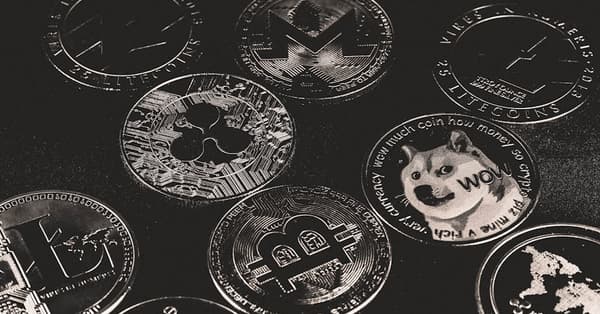
Did you know that over 20% of the total cryptocurrency market cap is now attributed to altcoins? This highlights their growing significance in the digital economy.
Tokenomics is all about understanding the economic factors related to cryptocurrencies. It's crucial for evaluating an altcoin’s long-term potential and sustainability in the market.
Utility tokens are digital assets that grant users access to a product or service within a blockchain ecosystem. Think of Binance Coin (BNB) and Chainlink (LINK)—they facilitate transactions and come with unique functionalities.
Security tokens signify ownership in an asset, like equity or real estate, and comply with regulatory standards, offering legal rights. Noteworthy examples include tZERO and Harbor.
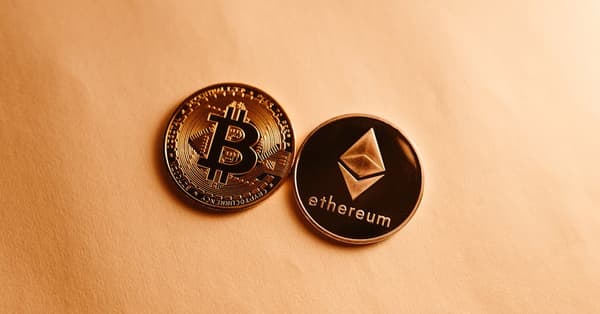
Governance tokens let holders take part in the decision-making processes of decentralized projects. Tokens like AAVE and COMP empower users to vote on protocol changes, helping shape their evolution.
💡 PRO TIP: Before investing, take a moment to research the governance structure of a token. This can give you valuable insights into the project's transparency and the level of community involvement.