Unlocking Altcoins: The Future of Crypto Governance
Curious about altcoins and decentralized governance? Discover how these trends are reshaping the crypto landscape and what it means for your portfolio.
As of October 2023, altcoins now comprise over 45% of the total cryptocurrency market cap, underscoring their increasing significance in the crypto ecosystem. We've seen a recent uptick in decentralized governance models, signaling a shift in how communities engage and make decisions.
With the rise of DeFi and DAO-based projects, having a solid understanding of altcoin governance systems has never been more essential. These structures influence everything from project longevity to community engagement, so it's crucial for investors to know how they function.
In this blog post, we'll dive into various governance systems used by altcoins, compare their effectiveness, and offer insights into their impact on the broader cryptocurrency landscape.
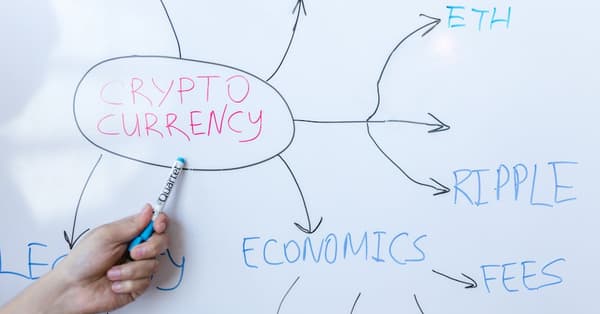
🎯 KEY INSIGHT
As of October 2023, altcoins make up over 45% of the total crypto market cap, highlighting the vital role that effective governance plays in these projects.
In the crypto space, governance refers to the frameworks, processes, and rules that determine how decisions are made within a blockchain ecosystem. This can cover everything from protocol upgrades to managing the project's treasury.
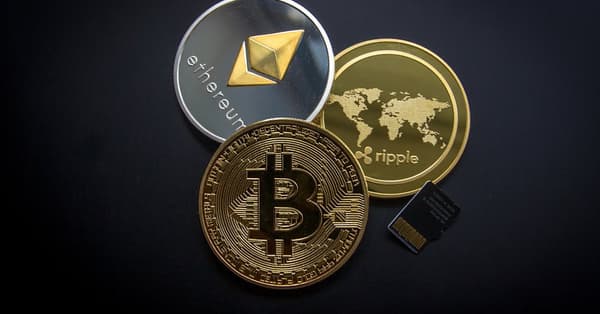
Effective governance systems are crucial for altcoins, as they ensure transparency, foster community involvement, and allow for adaptability to shifting market conditions. A robust governance structure can significantly boost investor confidence and enhance a project's lifespan.
In centralized governance models, a select few individuals wield decision-making power. This can lead to quick decisions but might also raise concerns about transparency and trust.
Decentralized governance fosters inclusivity and security by allowing all stakeholders to partake in decision-making. This not only boosts community trust but also ensures that no single entity monopolizes power.
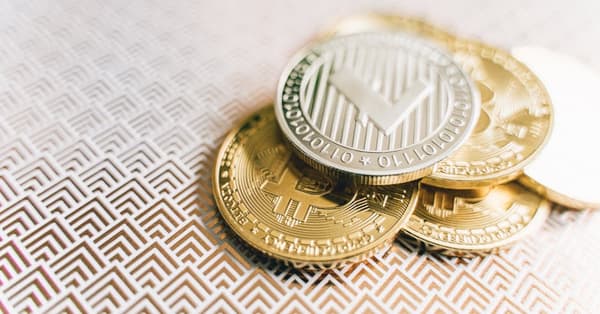
Bitcoin tends to follow a more centralized decision-making process, with developers and miners playing key roles in influencing major changes. In contrast, Ethereum employs a more decentralized approach, allowing for broader community input in its governance decisions.
Understanding these governance systems is essential as we navigate the evolving landscape of altcoins. For more on governance topics, check out our [link: governance overview] and [link: altcoin insights].
Tags:
Ready to Make Profitable Crypto Calls?
Check out our proven track record on the leaderboard
View Leaderboard →Related Posts
Why Altcoins Are the Future of Your Crypto Portfolio
Curious about altcoins? Discover why diversifying with these assets could be key to maximizing your gains in today’s crypto market.
Unlocking the Potential of Altcoins: A Community Guide
Explore the booming altcoin market and learn why community engagement is key for investors. Discover top altcoins like Solana and PEPE now!
Navigating the Altcoin Surge: Compliance and Opportunities
The altcoin market is booming, but new regulations are changing the game. Discover what traders need to know to stay compliant and seize opportunities.
Why Altcoins Are Dominating the 2023 Crypto Market
Explore the explosive growth of altcoins in 2023 and discover investment strategies for tapping into this thriving market. Don't miss out!
Unlocking Altcoin Holder Distribution: Smart Strategies Ahead
As altcoins rise, understanding holder distribution is key. Discover insights and strategies to maximize your potential gains in the current market!
Top Altcoins to Watch: Riding the 120% Surge
Discover the latest altcoin trends that are outpacing Bitcoin. Explore which altcoins are capturing investor interest in today's market.