Unlocking the Altcoin Surge: What Listings Mean for Traders
Curious about how exchange listings impact altcoins? Dive into this blog to understand the current market landscape and boost your trading strategy.
The cryptocurrency landscape is evolving at breakneck speed, and altcoins are riding the wave of increased interest. Understanding the nuances of exchange listings can play a pivotal role in the success of these digital assets.
Over the past year, the altcoin market cap has skyrocketed by 15%, fueled by rising adoption and groundbreaking projects. High-profile launches like PEPE and SOL have not only captivated investors but also led to a flurry of exchange listings, signaling a significant shift in market dynamics.
Exchange listings are essential for boosting an altcoin's liquidity and visibility. In this article, we'll explore the factors that influence these listings, strategies to maximize their impact, and common pitfalls to avoid.
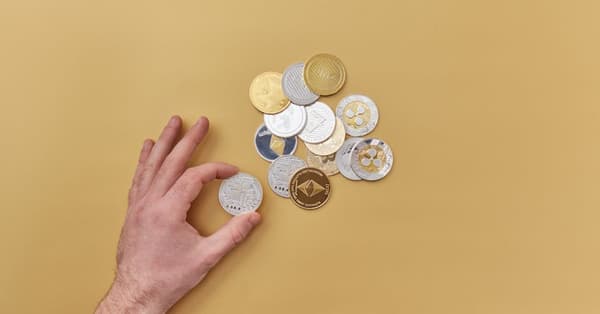
🎯 KEY INSIGHT
In 2023, altcoins that made their debut on major exchanges saw an average trading volume increase of 50% within the first 48 hours.
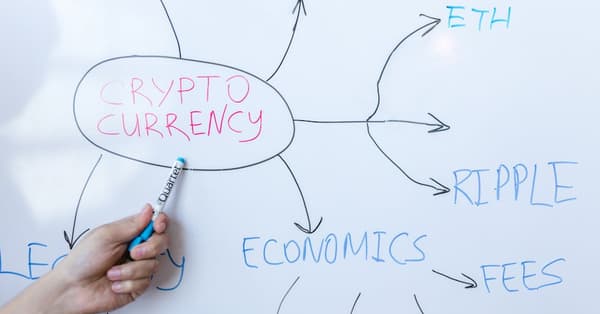
Simply put, an exchange listing is the process of making a cryptocurrency available for trading on a specific platform. This process not only enhances market access but also fosters price discovery.
To secure a listing, altcoin projects typically need to submit an application, which includes vital documentation like a whitepaper and team credentials. The review process is crucial to ensure that only legitimate projects gain access.

When PEPE got listed on a major exchange in June 2023, it experienced an astounding 340% price surge within just days, grabbing significant media attention along the way.
Similarly, SOL's launch on the Binance Smart Chain led to a remarkable spike in its market capitalization, soaring from $500M to $2.5B within a month post-listing.
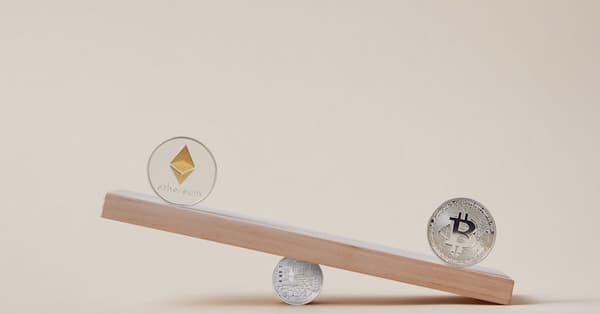
💡 PRO TIP: Focus on cultivating a strong community that supports your project before applying for listings. It can significantly enhance your chances of success!