Unpacking Altcoin Governance: What’s Next for Crypto?
Curious about altcoins' growing role? Discover how Ethereum's governance shift is shaping the future of community engagement in the crypto space.
As of October 2023, altcoins represent about 40% of the total cryptocurrency market capitalization, underscoring their increasing importance. Recently, Ethereum's transition to a more decentralized governance structure has ignited excitement in the altcoin space, signaling a trend focused on enhancing community engagement.
Diving into governance systems is essential for the sustainability and growth of altcoins. Effective governance affects both investors and developers, shaping the future of the projects they support. In this article, we'll explore various governance models, their implications, and practical insights for actively participating in these systems.

🎯 KEY INSIGHT
Research indicates that projects with strong governance structures can experience up to a 340% increase in market interest and support, highlighting how crucial governance is to altcoin valuation.

In the realm of altcoins, a governance system is the framework through which decisions are made about protocol upgrades, community initiatives, and resource allocation. This system is vital for decentralized finance, ensuring that a diverse user base has a say in the project's direction.
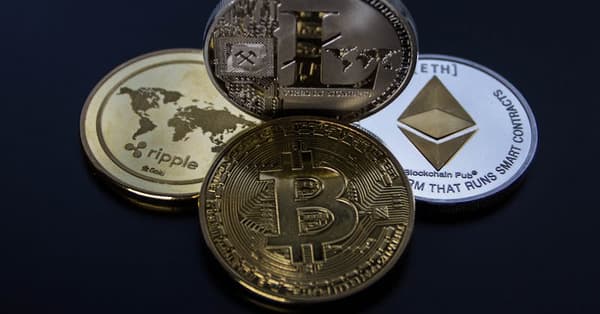
Governance is crucial for decision-making and protocol upgrades. Take the DAO hack in 2016 as a cautionary tale; it highlights the severe consequences of governance failures and the necessity for robust systems in place.
On-chain governance systems, like those utilized by Tezos and Decred, empower stakeholders to vote directly on proposed changes. This method ensures that all decisions are immutable and verifiable, fostering trust within the community.

Off-chain models, as demonstrated by Bitcoin, depend on community discussions and consensus outside the blockchain. While this approach enhances flexibility, it can lead to slower decision-making and potential conflicts among community members.
2.3 A Quick Comparative Analysis
- Efficiency: On-chain governance can speed up changes, while off-chain methods may lag due to the need for community consensus.
- Transparency: On-chain systems offer a clear audit trail, whereas off-chain decisions can be less transparent.
- Community Engagement: Off-chain models may allow for broader discussions, but on-chain governance ensures that every stakeholder's voice is recorded.
Tags:
Ready to Make Profitable Crypto Calls?
Check out our proven track record on the leaderboard
View Leaderboard →Related Posts
Why Altcoins Are the Future of Your Crypto Portfolio
Curious about altcoins? Discover why diversifying with these assets could be key to maximizing your gains in today’s crypto market.
Unlocking the Potential of Altcoins: A Community Guide
Explore the booming altcoin market and learn why community engagement is key for investors. Discover top altcoins like Solana and PEPE now!
Navigating the Altcoin Surge: Compliance and Opportunities
The altcoin market is booming, but new regulations are changing the game. Discover what traders need to know to stay compliant and seize opportunities.
Why Altcoins Are Dominating the 2023 Crypto Market
Explore the explosive growth of altcoins in 2023 and discover investment strategies for tapping into this thriving market. Don't miss out!
Unlocking Altcoin Holder Distribution: Smart Strategies Ahead
As altcoins rise, understanding holder distribution is key. Discover insights and strategies to maximize your potential gains in the current market!
Top Altcoins to Watch: Riding the 120% Surge
Discover the latest altcoin trends that are outpacing Bitcoin. Explore which altcoins are capturing investor interest in today's market.