Unpacking Altcoin Holder Distribution: Who Owns What?
Curious about the altcoin market? Discover how holder distribution impacts the crypto landscape and what it means for your investments.
As of October 2023, altcoins account for 35% of the entire crypto market cap, with a growing number of holders. This uptick has been fueled by a recent altcoin rally that pushed several tokens to new all-time highs.
Getting a grasp on altcoin holder distribution is essential for investors and traders, especially in a market known for its volatility and often concentrated holdings. Understanding who holds what can shape investment strategies and illuminate potential risks.
In this article, we’ll break down the distribution patterns among altcoin holders, analyze their behaviors, and chat about strategic investment approaches.
Holder distribution refers to how an altcoin's supply is spread across various wallets. Recognizing this distribution helps investors assess the level of decentralization and market exposure.

Distribution is key because it has a direct impact on market stability. When holdings are highly concentrated, it can lead to wild price swings since just a few wallets can significantly influence a token's price.
Wallets are crucial for grasping holder distribution since they store the tokens owned by individuals or entities.
Common metrics for gauging holder distribution include the Gini coefficient and the percentage of coins held by the top 10 wallets.
Retail investors have made a noticeable impact in the altcoin space, with over 70% of holders now classified as retail. This shift brings a more diverse range of perspectives and strategies to the market.
Institutional players are also stepping into the altcoin arena, often bringing significant capital and expertise. Their presence can lead to increased volatility but also enhanced legitimacy for certain tokens.
Interestingly, many altcoins are seeing a trend towards increased decentralization. As more wallets emerge, it’s becoming easier to distribute holdings more evenly across the community.
To mitigate risks associated with concentrated holdings, consider diversifying your altcoin portfolio. This can help you navigate market fluctuations more effectively.
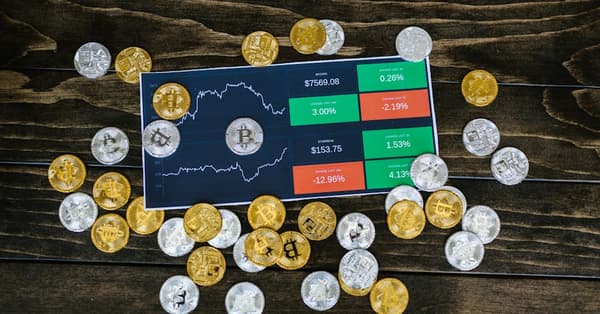
Keep an eye on holder distribution trends, as they can signal changes in market dynamics. Regularly check tools like [link: Glassnode] or [link: Coin Metrics] to stay updated.
Join discussions in online forums or social media groups to get a sense of the sentiment around specific altcoins. Engaging with fellow investors can provide valuable insights and help refine your strategy.
Understanding altcoin holder distribution is more than just a technical analysis—it's about getting to know the community and the forces that shape the market. By keeping a finger on the pulse of who holds what, you can navigate the altcoin landscape with greater confidence.