Unpacking Altcoin Inflation: Strategies for Smart Trading
Dive into the world of altcoin inflation mechanisms and learn how they can impact your trading strategies. Stay ahead in a volatile market!
The altcoin market has been on a wild ride lately, with the total market cap hitting around $250 billion as of October 2023. Major players like Ethereum and Solana have seen some impressive price swings—about 15%—in response to new regulatory changes impacting inflation rates. The emergence of fresh projects like PEPE and BONK really underscores how dynamic this landscape is.
For investors and developers alike, grasping inflation mechanisms is crucial, especially given the current ups and downs in crypto markets. Inflation rates play a significant role in altcoin adoption and price stability, influencing how consumers react to market changes.
In this article, we’ll dive into the different inflation mechanisms affecting altcoins, shedding light on their implications, offering strategies for investors, and making some predictions for the future.

🎯 KEY INSIGHT
In 2023, the average inflation rate for notable altcoins hovered around 5%, while Bitcoin held steady with a capped supply. On the flip side, Ethereum's flexible supply model led to a higher inflation rate of about 12%.

In the realm of altcoins, inflation refers to how quickly new coins are created and introduced into circulation. This mechanism can have a big impact on consumer behavior and investment decisions, as high inflation often dilutes value over time.
Coins with a fixed supply, like Bitcoin, cap their total availability, creating scarcity that can drive value appreciation. On the other hand, flexible supply coins such as Ethereum adjust their supply based on network demand, which can lead to varying inflation rates.
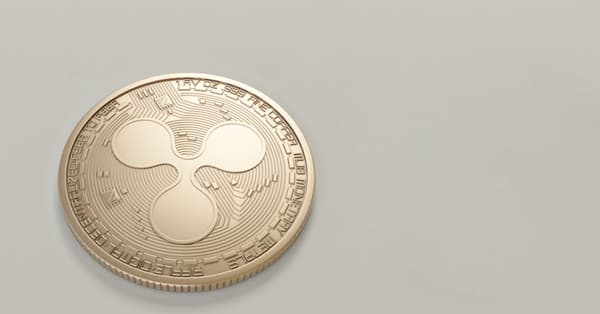
Proof of Work (PoW) coins, like Bitcoin, require miners to tackle complex algorithms, influencing inflation based on how tough those mining challenges are. Conversely, Proof of Stake (PoS) coins, such as Cardano, distribute rewards to validators, which impacts inflation in a different way through staking mechanisms.
Understanding how these inflation mechanisms work can empower investors to make informed decisions. For example, knowing when to hold or sell based on projected inflation can be a game-changer. [link: strategies]

As the altcoin market continues to evolve, understanding inflation mechanisms is more important than ever. By staying informed and adapting strategies accordingly, both investors and developers can navigate the complexities of this dynamic landscape with confidence.
Tags:
Ready to Make Profitable Crypto Calls?
Check out our proven track record on the leaderboard
View Leaderboard →Related Posts
Why Altcoins Are the Future of Your Crypto Portfolio
Curious about altcoins? Discover why diversifying with these assets could be key to maximizing your gains in today’s crypto market.
Unlocking the Potential of Altcoins: A Community Guide
Explore the booming altcoin market and learn why community engagement is key for investors. Discover top altcoins like Solana and PEPE now!
Navigating the Altcoin Surge: Compliance and Opportunities
The altcoin market is booming, but new regulations are changing the game. Discover what traders need to know to stay compliant and seize opportunities.
Why Altcoins Are Dominating the 2023 Crypto Market
Explore the explosive growth of altcoins in 2023 and discover investment strategies for tapping into this thriving market. Don't miss out!
Unlocking Altcoin Holder Distribution: Smart Strategies Ahead
As altcoins rise, understanding holder distribution is key. Discover insights and strategies to maximize your potential gains in the current market!
Top Altcoins to Watch: Riding the 120% Surge
Discover the latest altcoin trends that are outpacing Bitcoin. Explore which altcoins are capturing investor interest in today's market.