Why Altcoin Trading is Soaring: Understanding Inflation
Curious about the recent altcoin surge? Discover how inflation mechanisms are shaping this vibrant market and what it means for investors like you.
As of October 2023, altcoin trading volume has surged by 25% in just the last month, signaling a growing interest in this vibrant sector. The recent Ethereum upgrade has sparked a wave of renewed optimism among investors regarding alternative cryptocurrencies.
Grasping inflation mechanisms in altcoins is increasingly important as the market evolves. Both inflationary and deflationary mechanisms can profoundly affect investment strategies and overall market sentiment, making it essential for investors to understand these concepts.
In this article, we'll dive into various aspects of altcoin inflation, including the types of inflation mechanisms, real-world examples, and what they mean for investors and traders alike.
🎯 KEY INSIGHT
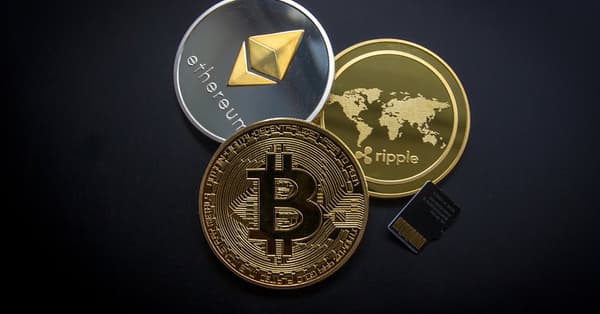
As of October 2023, 65% of altcoins exhibit inflationary mechanisms that can directly impact their market performance and investor returns.
Altcoin inflation refers to the increase in the supply of a cryptocurrency beyond its initial coin offering (ICO). This can happen through various mechanisms that dictate how tokens are distributed over time.
Historically, many altcoins have embraced inflationary models to incentivize early adopters and foster community engagement, leading to a mixed bag of successes and failures.
Understanding inflation is vital for assessing an altcoin's long-term viability and its potential for price appreciation, which in turn informs smart investment strategies.
A fixed inflation rate means the cryptocurrency will have a predictable and constant rate of new coin creation, providing a stable impact on supply over time.
Dynamic inflation rates can vary based on network performance or utility, as seen in proof-of-stake mechanisms. This allows for greater flexibility in rewarding validators and adapting to market conditions.
Following its recent upgrade, Ethereum's inflation rate has been adjusted to around 0.5% per year, contributing to its long-term sustainability while balancing user demand effectively.
Solana's inflationary policy kicks off at 8% and decreases annually, targeting a steady approach to managing its total supply efficiently.
With Pepe, a notable newcomer, the inflation mechanism aims to foster community participation while carefully managing its token supply.
Understanding these inflation mechanisms is key for anyone looking to navigate the altcoin landscape. Whether you're a seasoned investor or just dipping your toes into the crypto waters, keeping an eye on how these mechanisms play out can help you make informed decisions.
Tags:
Ready to Make Profitable Crypto Calls?
Check out our proven track record on the leaderboard
View Leaderboard →Related Posts
Why Altcoins Are the Future of Your Crypto Portfolio
Curious about altcoins? Discover why diversifying with these assets could be key to maximizing your gains in today’s crypto market.
Unlocking the Potential of Altcoins: A Community Guide
Explore the booming altcoin market and learn why community engagement is key for investors. Discover top altcoins like Solana and PEPE now!
Navigating the Altcoin Surge: Compliance and Opportunities
The altcoin market is booming, but new regulations are changing the game. Discover what traders need to know to stay compliant and seize opportunities.
Why Altcoins Are Dominating the 2023 Crypto Market
Explore the explosive growth of altcoins in 2023 and discover investment strategies for tapping into this thriving market. Don't miss out!
Unlocking Altcoin Holder Distribution: Smart Strategies Ahead
As altcoins rise, understanding holder distribution is key. Discover insights and strategies to maximize your potential gains in the current market!
Top Altcoins to Watch: Riding the 120% Surge
Discover the latest altcoin trends that are outpacing Bitcoin. Explore which altcoins are capturing investor interest in today's market.