Why Security Audits are Vital for Altcoin Success
In the booming altcoin market, security audits are more crucial than ever. Discover how they protect investments and boost confidence among traders.
As of 2023, the altcoin market has experienced a remarkable surge in capitalization, surpassing $100 billion. This growth reflects the increasing interest in innovative altcoins like BONK and PEPE. However, with this surge comes a darker reality: the frequency of hacks and scams has also risen, with reported security breaches jumping by 50% this year alone. This scenario highlights the critical need for robust security audits to protect investments and foster user trust in the ever-evolving cryptocurrency landscape.
In this article, we’ll dive into the essentials of altcoin security audits. We’ll explore the different types of audits, best practices for implementation, notable examples of successful audits, and a glimpse into the future of security within the altcoin ecosystem. Let’s get started!
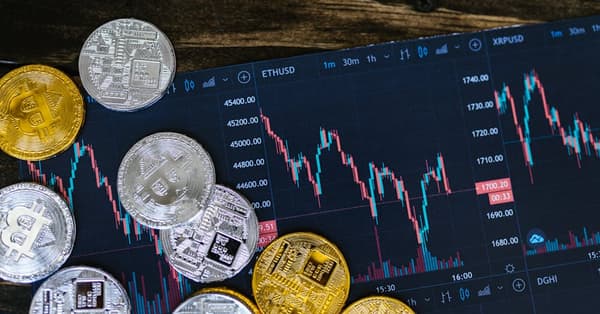
A security audit in the blockchain space is a thorough evaluation of a project's code, infrastructure, and operational processes. The primary purpose? To identify vulnerabilities and ensure that systems are secure against potential threats.
Regular audits are essential for altcoins as they can prevent significant financial losses and enhance user trust. By identifying risks before they can be exploited, projects can safeguard investor assets and maintain their reputations. It's a win-win!
Before kicking off an audit, projects need to gather essential documents like the codebase, architecture diagrams, and project requirements. This preparation phase is crucial for facilitating a smooth audit process.
The audit process involves analyzing the code using automated tools, manual reviews, and testing methodologies to identify vulnerabilities. Firms often use platforms like Slither and Manticore for automated testing, complemented by human expertise.
Once the audit wraps up, projects need to address the findings promptly. Recommendations typically include updating the code, enhancing security protocols, and conducting follow-up audits to verify the effectiveness of the changes. It’s all about making sure that the altcoin remains secure and trustworthy.
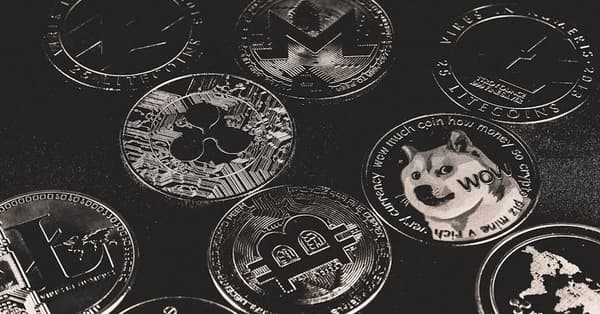
[link: common vulnerabilities] This section will cover the most common vulnerabilities found during security audits and the best practices for addressing them.
Tags:
Ready to Make Profitable Crypto Calls?
Check out our proven track record on the leaderboard
View Leaderboard →Related Posts
Why Altcoins Are the Future of Your Crypto Portfolio
Curious about altcoins? Discover why diversifying with these assets could be key to maximizing your gains in today’s crypto market.
Unlocking the Potential of Altcoins: A Community Guide
Explore the booming altcoin market and learn why community engagement is key for investors. Discover top altcoins like Solana and PEPE now!
Navigating the Altcoin Surge: Compliance and Opportunities
The altcoin market is booming, but new regulations are changing the game. Discover what traders need to know to stay compliant and seize opportunities.
Why Altcoins Are Dominating the 2023 Crypto Market
Explore the explosive growth of altcoins in 2023 and discover investment strategies for tapping into this thriving market. Don't miss out!
Unlocking Altcoin Holder Distribution: Smart Strategies Ahead
As altcoins rise, understanding holder distribution is key. Discover insights and strategies to maximize your potential gains in the current market!
Top Altcoins to Watch: Riding the 120% Surge
Discover the latest altcoin trends that are outpacing Bitcoin. Explore which altcoins are capturing investor interest in today's market.