Why Solana and PEPE are the Altcoins to Watch Now
The altcoin market is on fire! Discover why Solana surged 340% and PEPE skyrocketed 200% in just one week. Don't miss these game-changing insights.
As of October 2023, the altcoin market is buzzing with activity. Solana has made waves with an astonishing 340% surge over the past three months, while PEPE has skyrocketed 200% just in the last week! These fluctuations are a testament to the ever-evolving nature of the altcoin ecosystem.
If you’re diving into the altcoin waters, understanding how holder distribution works is essential. A well-balanced distribution can cushion against wild price swings, while a lopsided distribution often spells trouble, leading to sharp price drops and a dip in market confidence.
Stick around as we unpack key distribution patterns, explore investor strategies that capitalize on these insights, and take a look at future trends that could shape the altcoin landscape.
So, what exactly is holder distribution? It’s all about how altcoin ownership is spread among investors. A wide distribution signals a decentralized holding structure, which can help stabilize prices during market turbulence.
When it comes to analyzing distribution, a couple of key metrics stand out. The Gini coefficient measures inequality in distribution, while the percentage of holders that own a certain amount of coins can tell you a lot. Platforms like Glassnode and Tokenomics are great resources for this vital data.
Take BONK, for instance—its distribution is looking healthy, with 70% of holders owning less than 1% of the total supply. This indicates a lower risk of price manipulation, making it a more stable option for investors.
Whales, or large holders, can significantly sway prices. In the case of PEPE, the top 10% of holders control over 85% of the total supply, which can lead to increased price volatility that smaller investors need to be aware of.
Did you know that distribution can vary widely by exchange? For example, on Binance, 65% of SOL holders are long-term investors, while decentralized exchanges like Raydium show more trading activity but less stable holding patterns.
Geographic distribution plays a role too! Analysis indicates that 35% of altcoin holders are based in North America, a factor that can heavily influence liquidity and overall market behavior in the region.
🎯 KEY INSIGHT
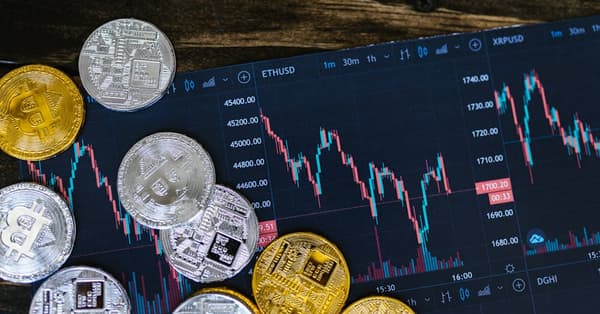
Around 42% of investors are holding onto their altcoins for over a year—this shift toward long-term holding is something to watch closely as the market evolves.